Indoor vs Outdoor Sports Flooring Comparison: A Complete Guide

Indoor vs Outdoor Sports Flooring Comparison
Choosing the right sports flooring is never simple. Facility owners, architects, and sports planners often struggle between indoor and outdoor options. Each environment has unique demands, performance goals, and safety requirements.
This guide promises a clear, practical comparison to help you choose confidently. You will understand materials, durability, cost, performance, and maintenance differences.
In this blog, we compare indoor vs outdoor sports flooring in detail and explain why PFS Sports delivers future-ready solutions for both.
What Is Sports Flooring and Why It Matters
Sports flooring forms the foundation of every athletic activity. It directly affects athlete safety, performance, and facility lifespan. A poor flooring choice increases injuries, maintenance costs, and downtime.
Modern sports flooring systems balance shock absorption, grip, durability, and weather resistance. Indoor and outdoor applications require different engineering approaches. Understanding these differences ensures better long-term returns and user satisfaction.
Key Differences Between Indoor and Outdoor Sports Flooring
Environmental Exposure
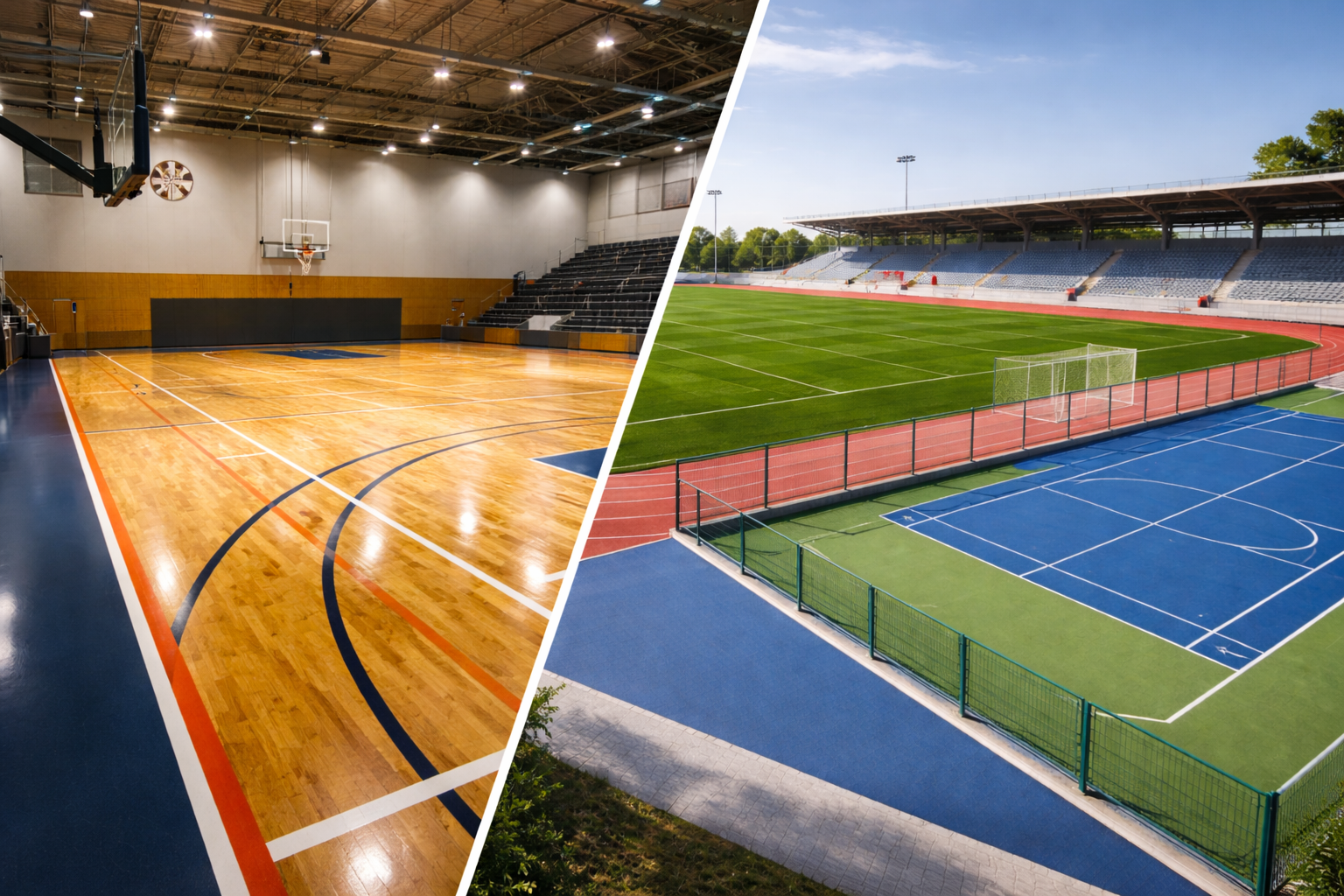
Indoor sports flooring operates in controlled environments. It stays protected from UV rays, rain, and temperature fluctuations. As a result, materials focus on comfort, resilience, and aesthetics.
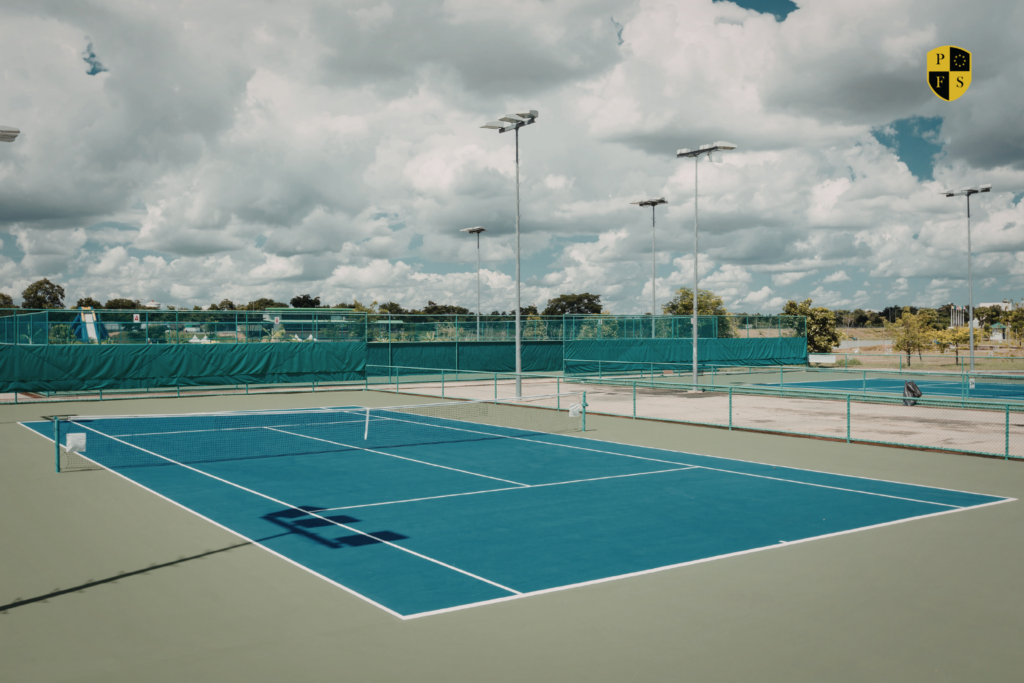
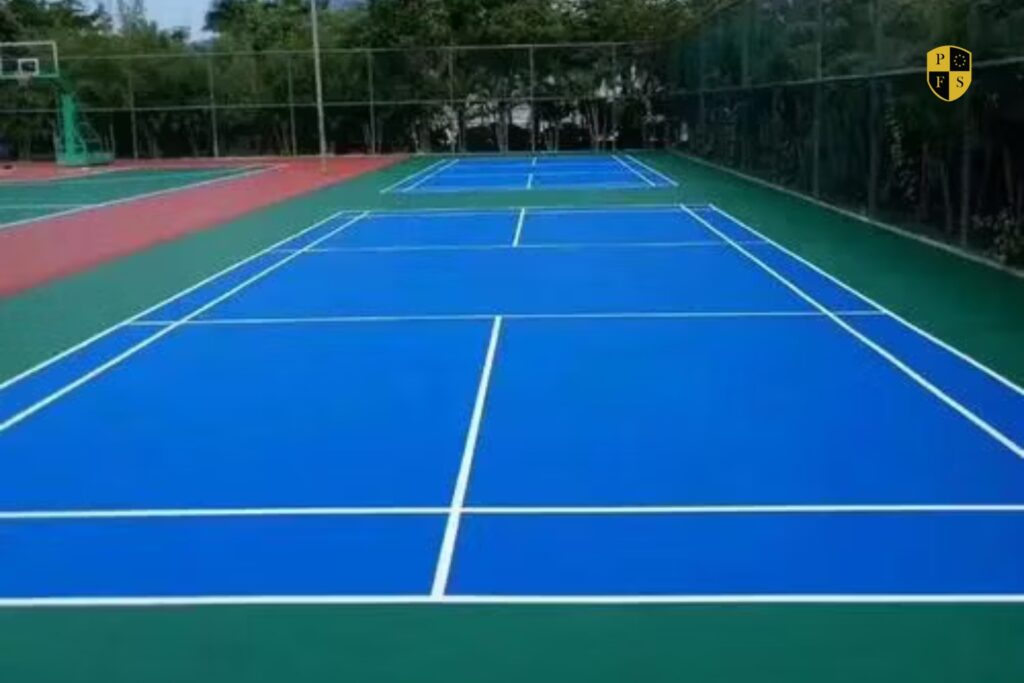
Outdoor sports flooring faces sun, rain, frost, and heavy usage. Therefore, it requires weather-resistant materials, drainage systems, and UV stability. PFS Sports designs outdoor systems that perform reliably in extreme conditions.
Material Composition
Indoor sports flooring commonly uses PVC, PU systems, hardwood, or vinyl. These materials deliver consistent bounce, smooth traction, and noise reduction.
Outdoor sports flooring relies on acrylic coatings, EPDM granules, polyurethane binders, and synthetic turf. These materials withstand weather exposure and maintain grip even during rainfall.
Shock Absorption and Player Safety
Shock absorption remains critical for both environments. Indoor flooring emphasizes joint protection, energy return, and fatigue reduction.
Outdoor sports flooring prioritizes impact resistance and slip control. Advanced EPDM and PU systems from PFS Sports absorb impact effectively while maintaining surface stability.
Performance Factors That Influence Flooring Choice
Grip and Traction
Indoor sports flooring offers controlled traction. It prevents slipping while allowing quick directional changes.
Outdoor sports flooring must perform in wet and dry conditions. Textured acrylic and EPDM surfaces ensure consistent grip. PFS Sports engineers optimal friction levels for all outdoor sports.
Ball Behavior and Playability
Indoor flooring delivers predictable ball bounce and speed. This consistency benefits sports like basketball, badminton, and volleyball.
Outdoor flooring adapts to temperature and moisture changes. High-quality systems maintain stable ball response. Professional installations by PFS Sports ensure regulation-compliant playability.
Durability and Lifespan Comparison
Indoor Sports Flooring Durability
Indoor flooring experiences less environmental stress. With proper maintenance, it can last 10–20 years. However, heavy foot traffic and equipment movement still cause wear.
PU and vinyl systems from PFS Sports resist abrasion and maintain elasticity for long-term use.
Outdoor Sports Flooring Durability
Outdoor flooring endures UV radiation, rain, and temperature changes. Lower-quality systems crack or fade quickly.
High-performance outdoor systems by PFS Sports use UV-stable acrylics and weather-resistant binders. These systems deliver consistent performance for over a decade.
Maintenance Requirements Explained
Indoor Sports Flooring Maintenance
Indoor sports flooring requires regular cleaning, dust control, and periodic refinishing. Controlled environments reduce maintenance frequency.
Proper maintenance extends lifespan and preserves surface aesthetics. PFS Sports provides easy-maintenance systems suitable for high-usage facilities.
Outdoor Sports Flooring Maintenance
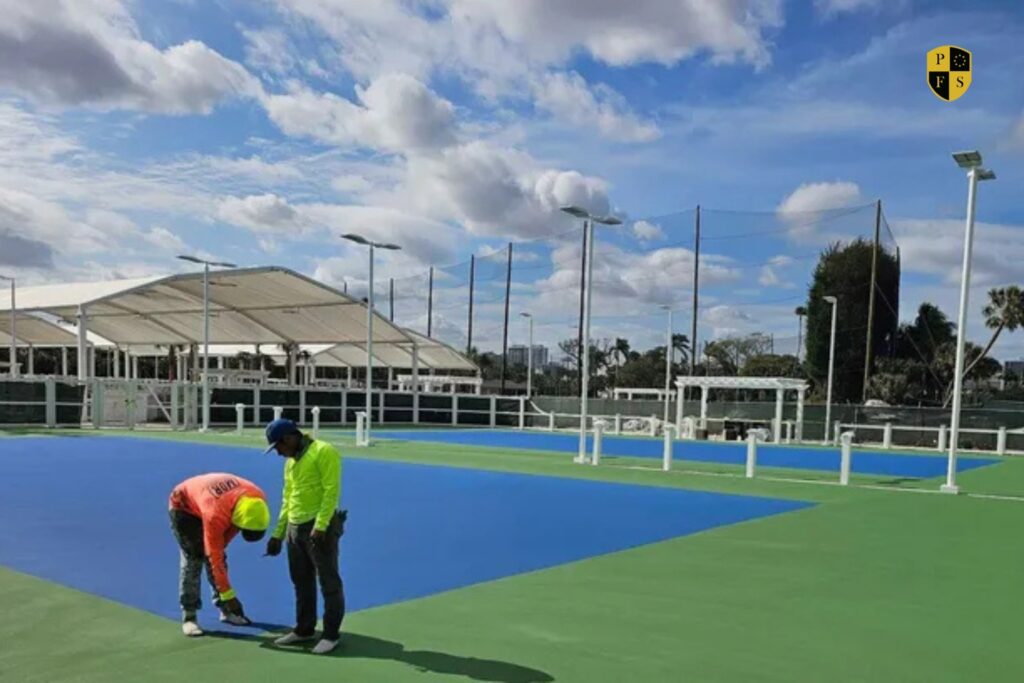
Outdoor flooring requires debris removal, surface washing, and occasional recoating. Drainage and slope design also impact maintenance needs.
PFS Sports designs outdoor sports flooring that minimizes water retention and surface damage.
Cost Comparison – Indoor vs Outdoor Sports Flooring
Installation Costs
Indoor sports flooring generally costs more initially due to material quality and subfloor preparation.
Outdoor sports flooring offers scalable pricing depending on system layers and surface size. PFS Sports provides cost-effective solutions without compromising quality.
Long-Term Value
Indoor flooring delivers long-term value through durability and reduced injury risk.
Outdoor flooring delivers value through weather resistance and lower replacement frequency. Investing in premium systems reduces lifecycle costs significantly.
Best Applications for Indoor Sports Flooring
Indoor sports flooring suits:
- Basketball courts
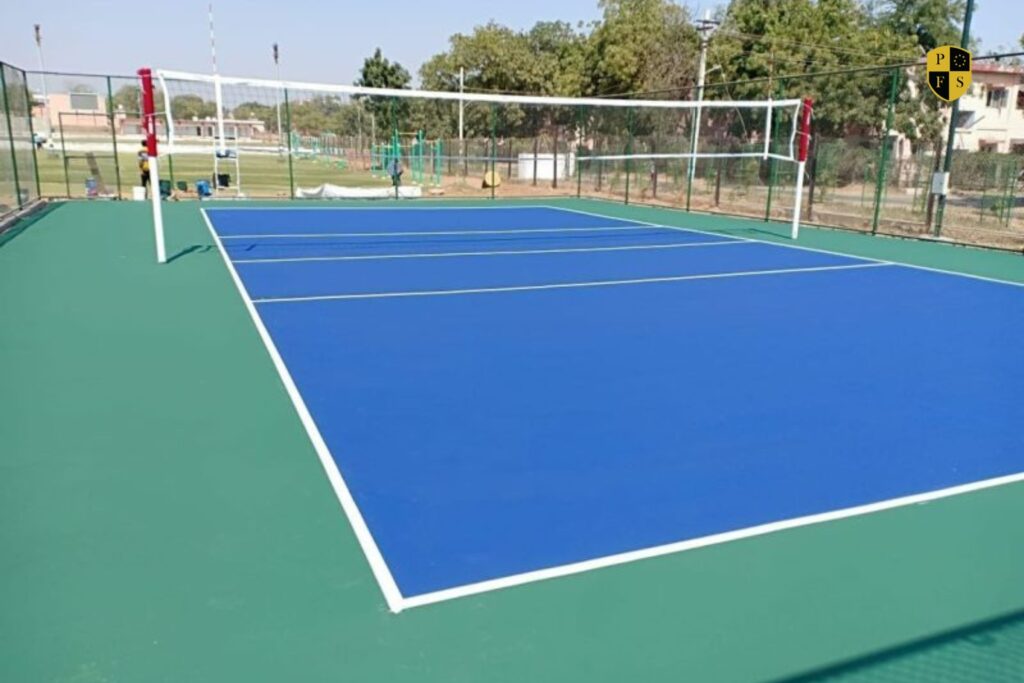
- Volleyball courts
- Badminton halls
- Multipurpose indoor arenas
- School gymnasiums
PFS Sports customizes indoor flooring for professional training centers and community facilities.
Best Applications for Outdoor Sports Flooring
Outdoor sports flooring suits:
- Athletics tracks
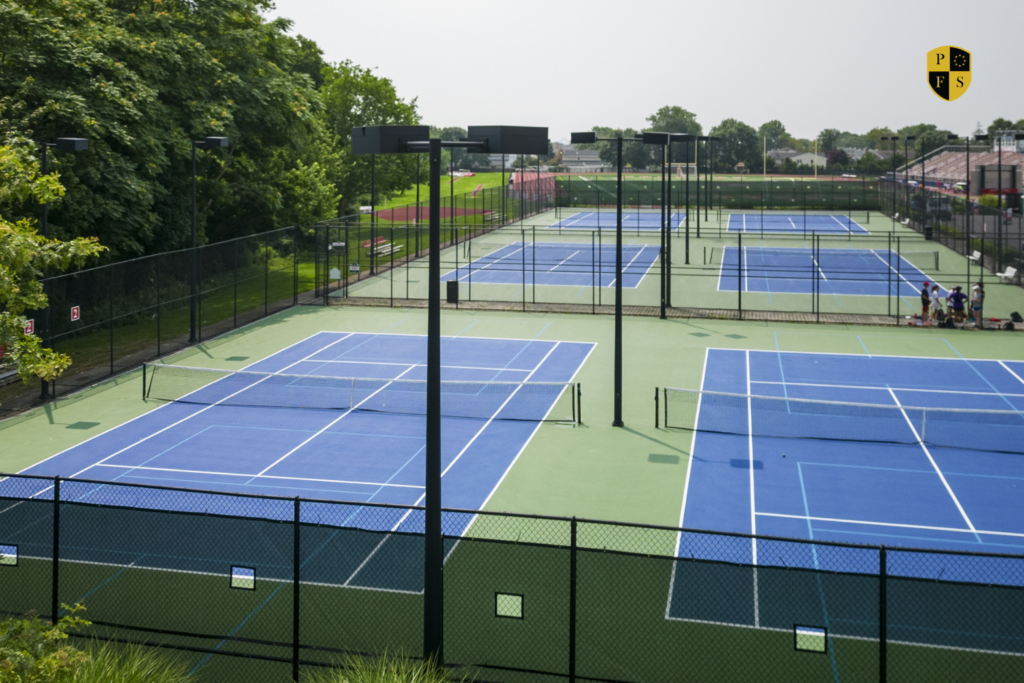
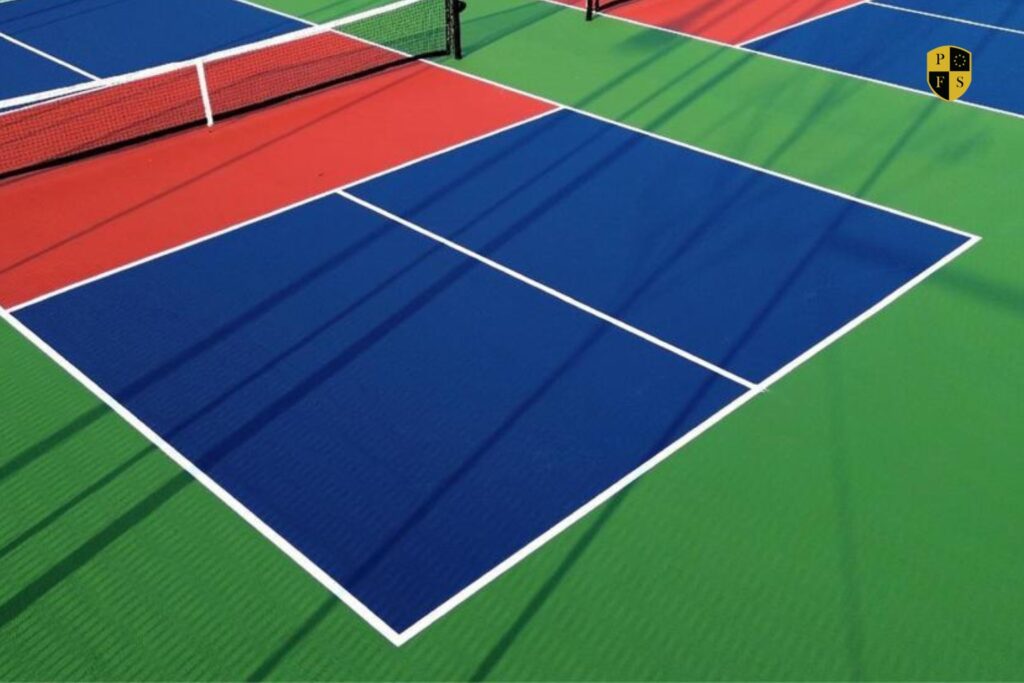
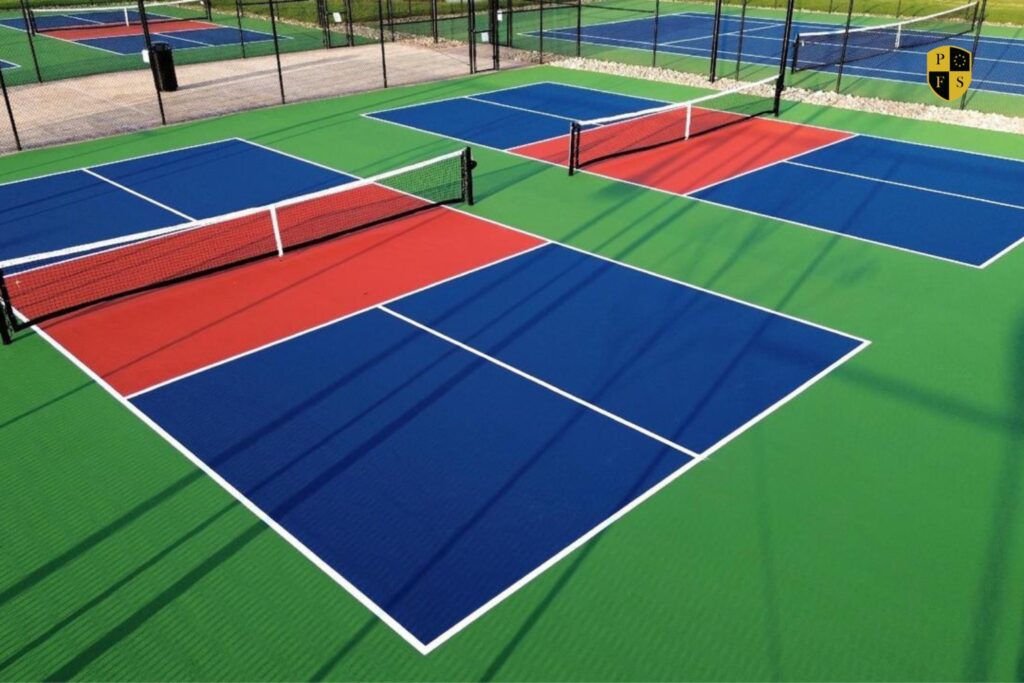
- Tennis courts
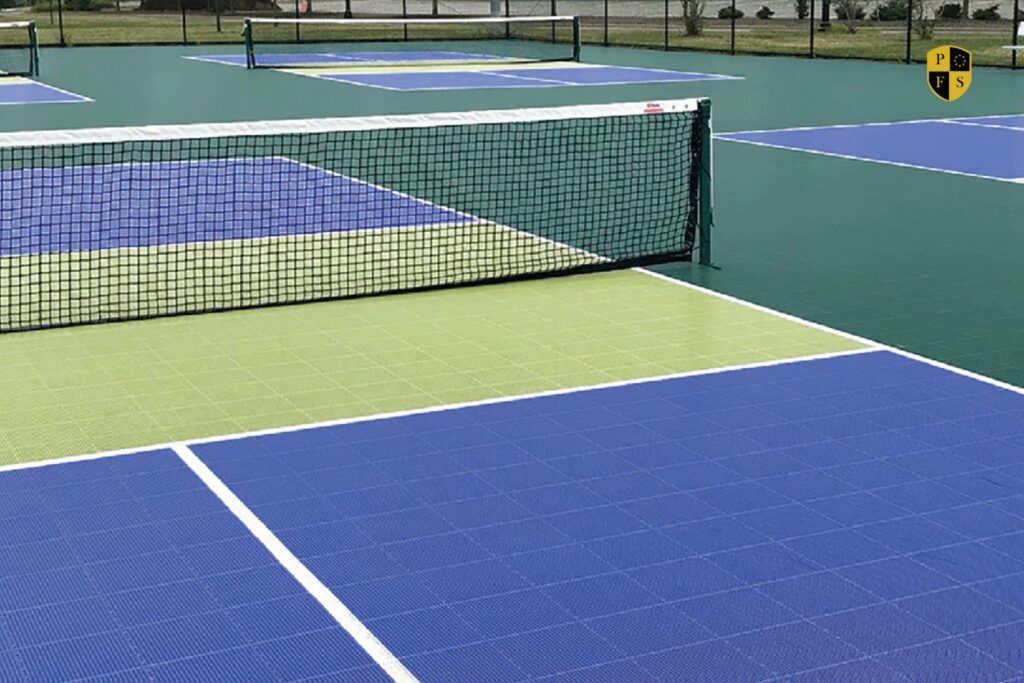
- Padel courts
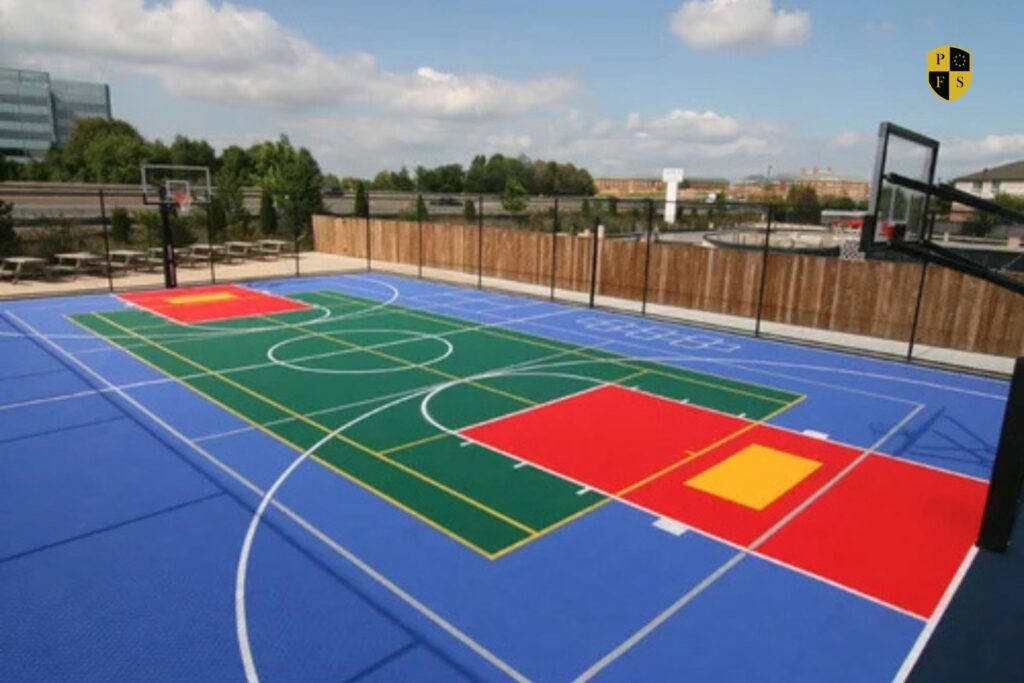
- Multi-sport playgrounds
- Stadium complexes
PFS Sports delivers turnkey outdoor sports flooring solutions globally.
Indoor vs Outdoor Sports Flooring – Quick Comparison Table
| Feature | Indoor Flooring | Outdoor Flooring |
|---|---|---|
| Weather Resistance | Low | High |
| Shock Absorption | High | Moderate–High |
| UV Stability | Not Required | Essential |
| Maintenance | Low | Moderate |
| Lifespan | 10–20 Years | 8–15 Years |
Why Choose PFS Sports for Sports Flooring Solutions
PFS Sports (Polska Fabryka Sportów) combines European engineering with global expertise. The company delivers premium indoor and outdoor sports flooring systems.
From EPDM surfaces to PU binders and acrylic courts, PFS Sports ensures safety, durability, and compliance with international standards. Their solutions support athletes, institutions, and developers worldwide.
Future Trends in Sports Flooring
Sports flooring continues evolving with sustainability and smart materials. Recyclable components, enhanced shock absorption, and climate-adaptive systems dominate future designs.
PFS Sports invests in innovation to deliver future-ready sports infrastructure.
Conclusion
Indoor vs outdoor sports flooring comparison reveals that both systems serve distinct purposes. Indoor flooring focuses on comfort, precision, and control. Outdoor flooring emphasizes durability, weather resistance, and safety.
Choosing the right sports flooring depends on usage, climate, and performance goals. PFS Sports offers expert guidance and premium solutions for every requirement.
Ready to upgrade your sports facility?
👉 Explore world-class sports flooring solutions at https://pfs.sport