Acrylic vs Polyurethane Surfaces: Which One Should You Choose?

Choosing the right sports surface is never easy. Facility owners often struggle between performance, durability, and long-term value.
This guide will clearly explain acrylic and polyurethane surfaces, helping you choose the best option for your facility.
You will learn key differences, performance benefits, maintenance needs, and cost considerations—backed by expert insights from PFS Sports.
Understanding Sports Flooring Choices
Sports flooring plays a critical role in athlete safety and performance. The right surface reduces injuries, improves play quality, and extends facility lifespan. Acrylic and polyurethane systems dominate modern sports infrastructure. However, each surface delivers unique advantages based on usage, climate, and budget requirements.
What Is an Acrylic Sports Surface?
Composition and Structure
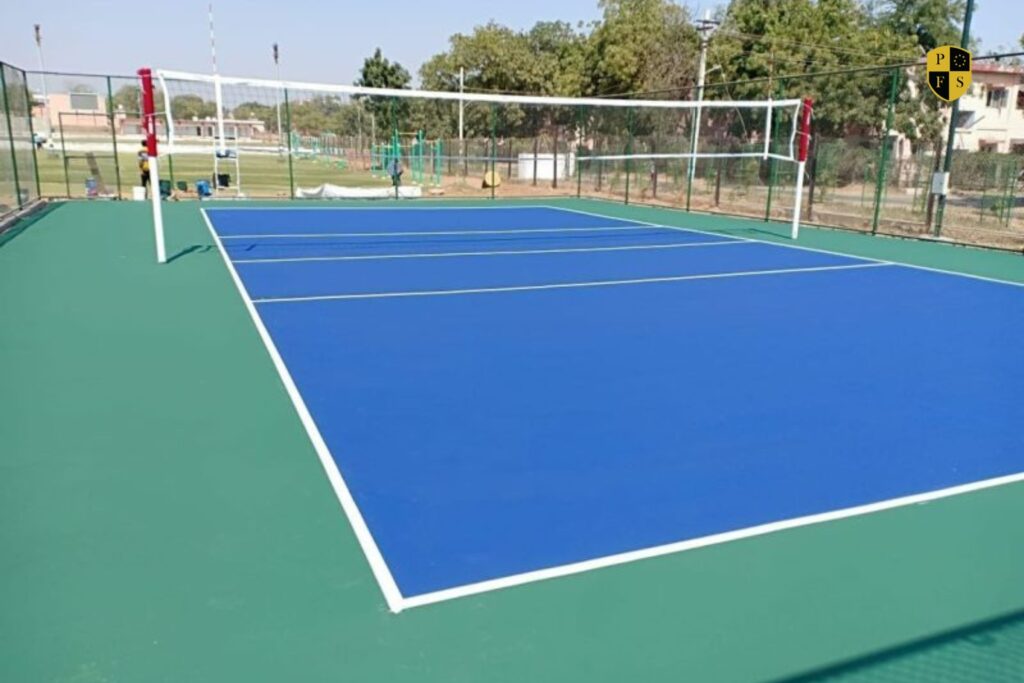
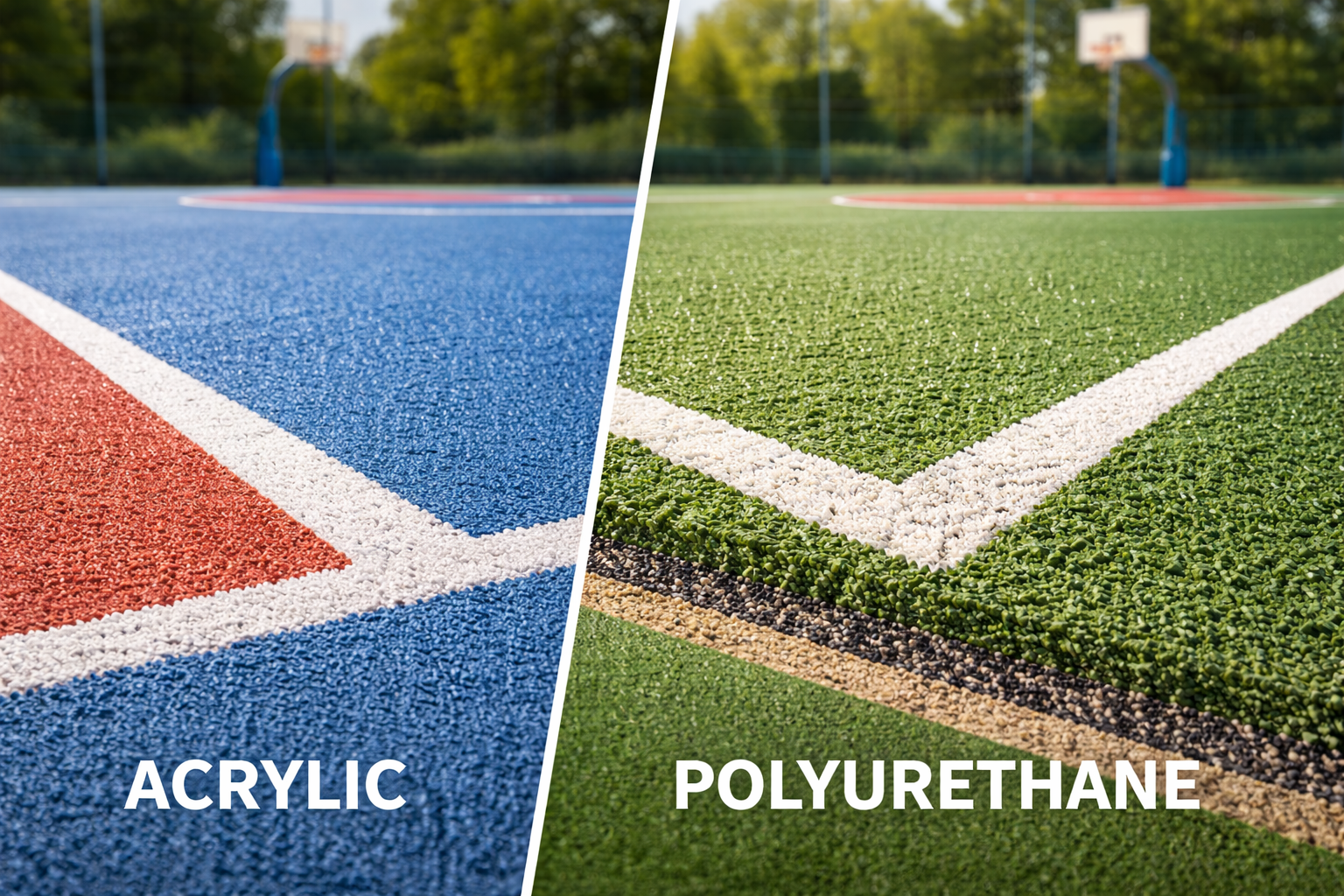
An acrylic sports surface uses water-based acrylic resins layered over asphalt or concrete. These coatings create a textured, slip-resistant playing area suitable for outdoor courts.
Common Applications
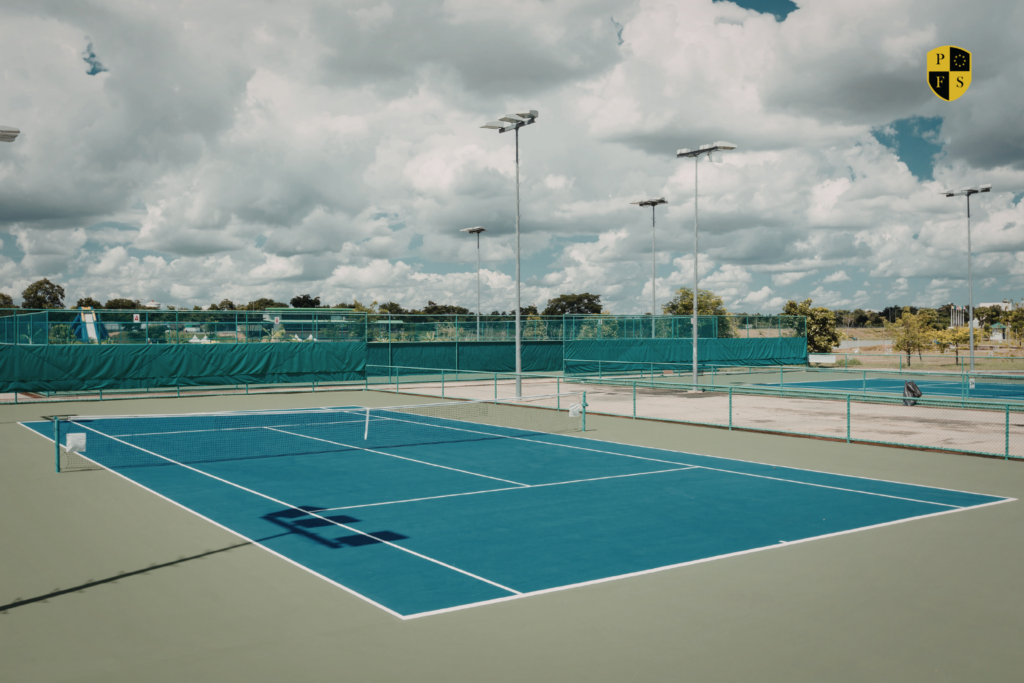
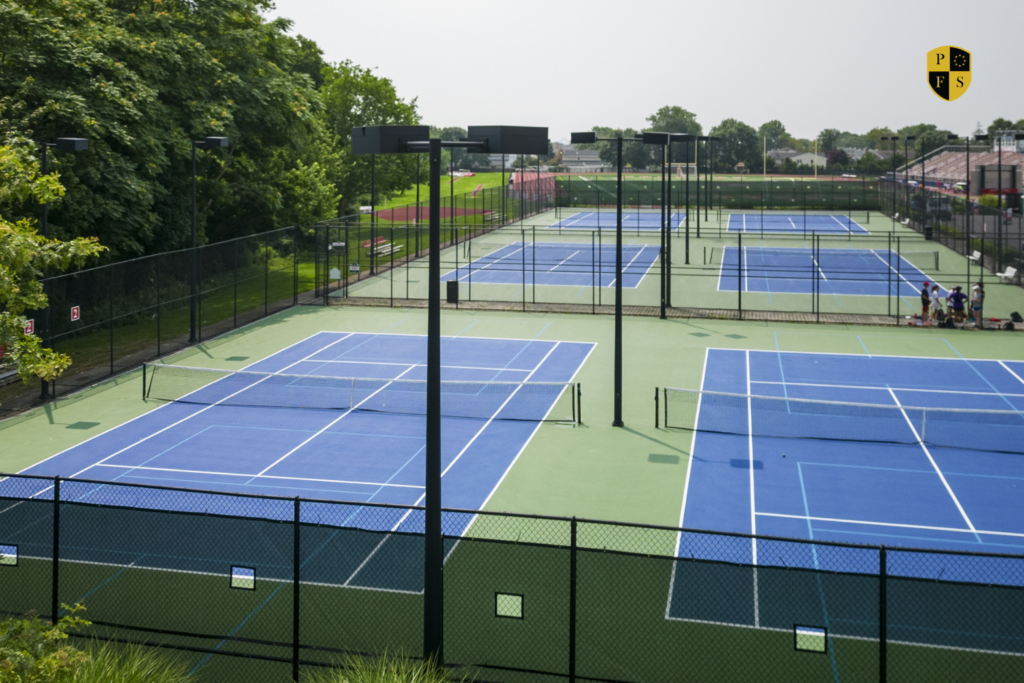
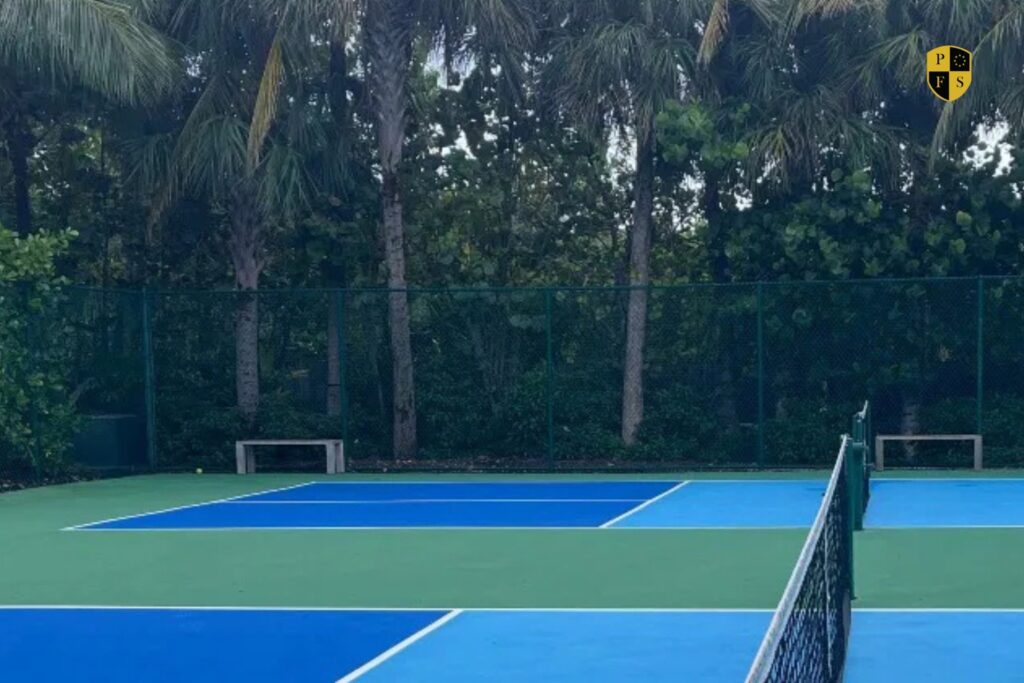
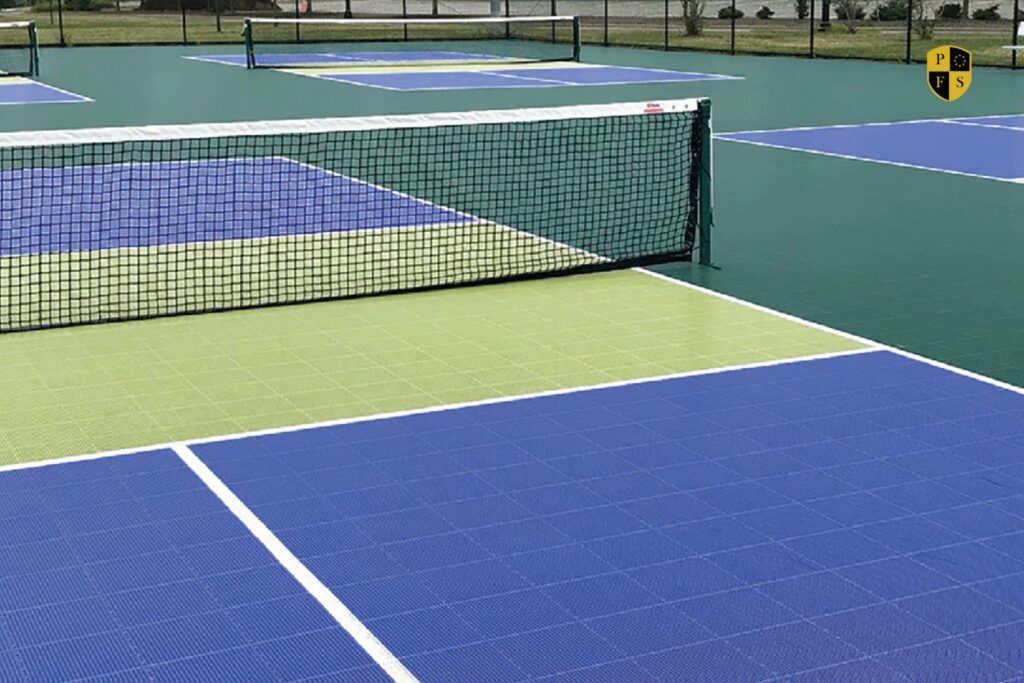
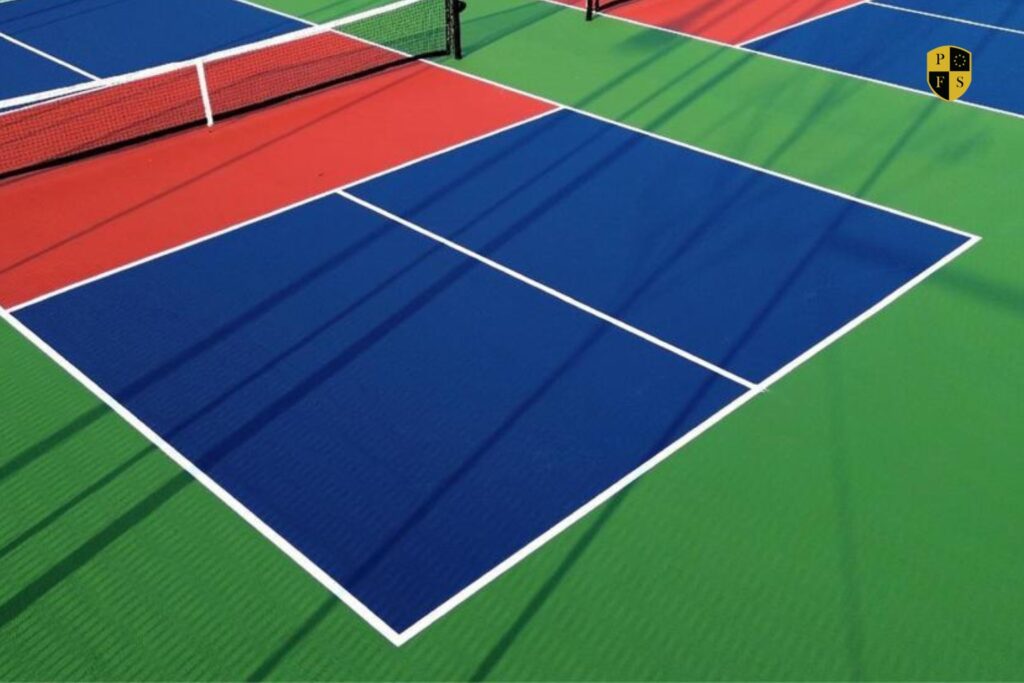
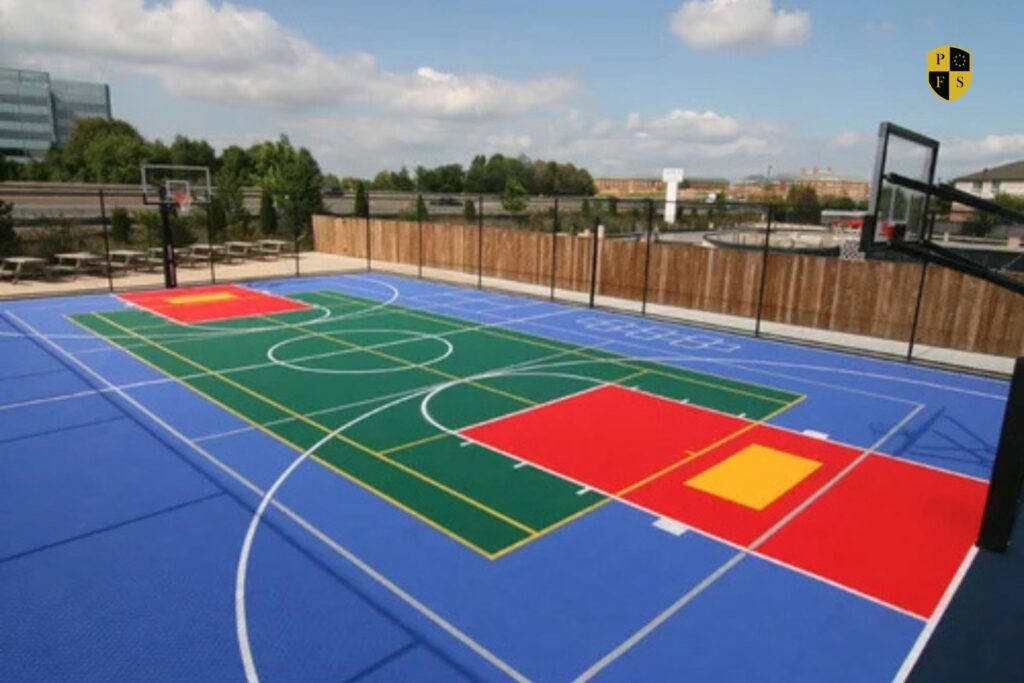
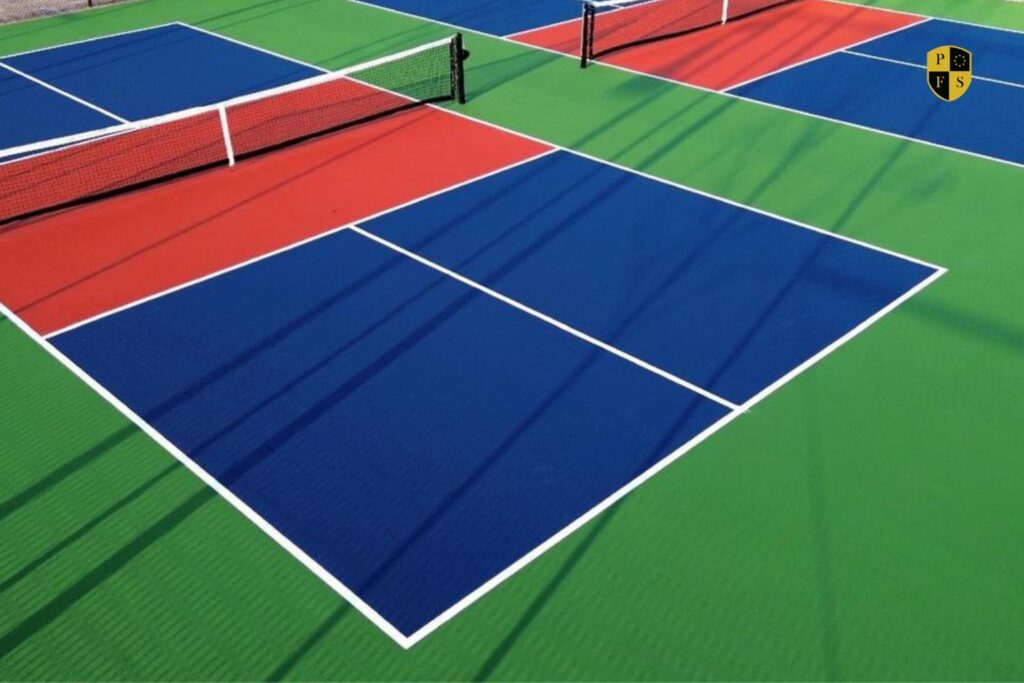
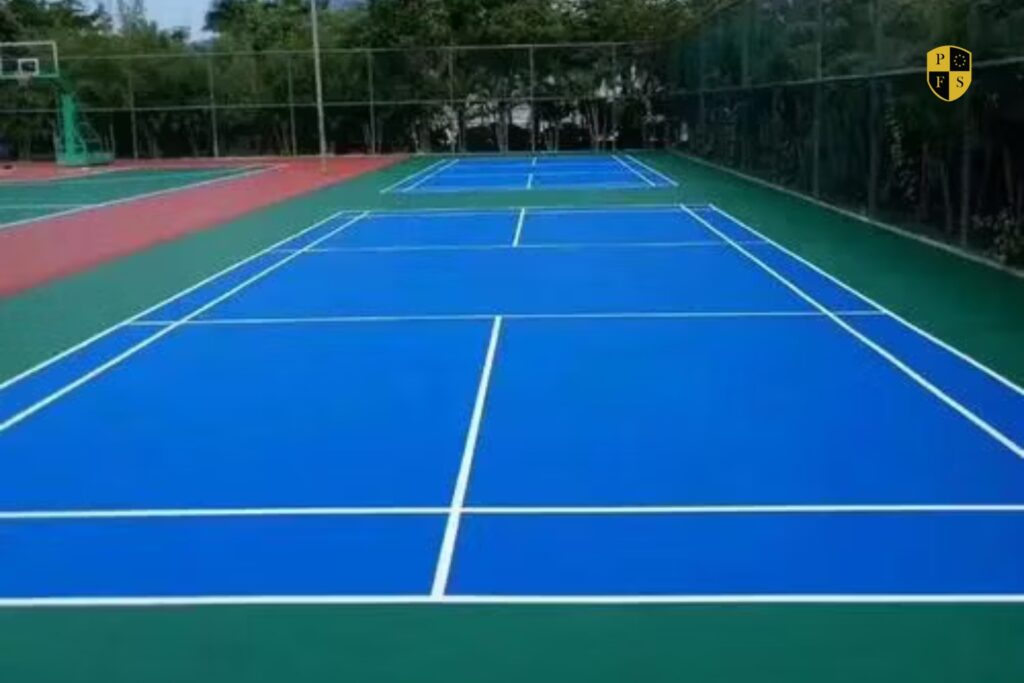
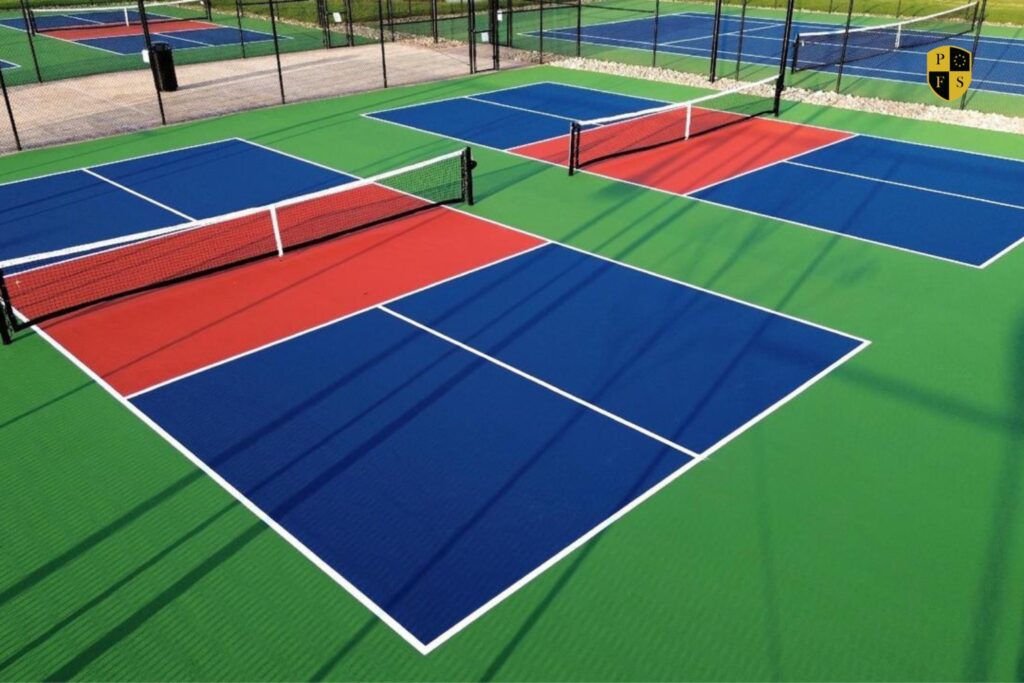
Acrylic surfaces work best for tennis courts, basketball courts, pickleball courts, and multi-sport recreational areas. Many schools and clubs prefer acrylic due to its affordability.
Key Benefits of Acrylic Sports Flooring
1. Cost-Effective Installation
Acrylic systems cost less compared to advanced flooring options. Therefore, budget-conscious facilities often select acrylic for large-scale projects.
2. Weather Resistance
Acrylic coatings resist UV rays and moderate rain exposure. As a result, they perform well in outdoor environments.
3. Custom Color Options
Facility owners enjoy vibrant color choices. Line markings also remain sharp and long-lasting.
4. Easy Maintenance
Regular cleaning and occasional recoating keep acrylic surfaces playable for years.
Limitations of Acrylic Surfaces
Although acrylic surfaces offer many benefits, they provide limited shock absorption. Hard surfaces can increase joint stress for athletes during intense play. Therefore, acrylic works best for recreational or semi-professional use rather than elite training environments.
What Is a Polyurethane Sports Surface?
Material Composition
Polyurethane systems use elastic PU layers combined with rubber granules. These layers create a cushioned, seamless sports surface.
Typical Applications
Polyurethane surfaces suit running tracks, indoor courts, multipurpose arenas, and professional sports facilities.
Advantages of Polyurethane Sports Surfaces
1. Superior Shock Absorption
Polyurethane significantly reduces impact stress. Consequently, athletes experience improved comfort and lower injury risk.
2. High Durability
PU systems withstand heavy foot traffic and intense training sessions. Therefore, they perform exceptionally in professional environments.
3. Seamless Finish
The smooth, joint-free surface prevents water penetration and surface damage.
4. All-Weather Performance
Polyurethane surfaces perform consistently in extreme heat, cold, and rain.
Drawbacks of Polyurethane Flooring
Polyurethane surfaces require higher initial investment. Installation also demands skilled professionals. However, long-term durability often offsets these costs.
Acrylic vs Polyurethane: Performance Comparison
Shock Absorption
Polyurethane clearly outperforms acrylic in impact reduction. Acrylic remains firmer and less forgiving.
Surface Speed
Acrylic surfaces provide faster ball response. Meanwhile, polyurethane delivers controlled movement and comfort.
Durability
Polyurethane lasts longer under heavy usage. Acrylic requires periodic resurfacing.
Maintenance Requirements Compared
Acrylic Maintenance
- Regular cleaning
- Surface recoating every 4–6 years
- Minor crack repairs
Polyurethane Maintenance
- Minimal cleaning
- Occasional inspection
- Long lifecycle with low upkeep
Climate Suitability
Acrylic works best in moderate climates. In contrast, polyurethane performs consistently across varying weather conditions. Therefore, facilities in extreme climates often prefer polyurethane systems.
Installation Time and Complexity
Acrylic surfaces install faster and cure quickly. Polyurethane systems require precise layering and curing time. However, expert installers like PFS Sports ensure flawless execution.
Cost Comparison: Short-Term vs Long-Term
Acrylic surfaces cost less initially. However, polyurethane offers better long-term value due to lower maintenance and extended lifespan.
Safety and Player Comfort
Polyurethane surfaces prioritize athlete safety. Acrylic provides acceptable comfort for recreational use but lacks advanced cushioning.
Sustainability Considerations
Modern acrylic and polyurethane systems support eco-friendly formulations. PFS Sports uses low-VOC materials that meet global sustainability standards.
Which Surface Is Best for Schools?
Schools often prefer acrylic due to budget constraints. However, polyurethane works better for athletic training centers with high daily usage.
Which Surface Is Best for Professional Facilities?
Professional facilities require polyurethane for elite performance, durability, and athlete protection.
How PFS Sports Helps You Choose the Right Surface
PFS Sports (Polska Fabryka Sportów) offers expert consultation, premium materials, and turnkey installation services. The team evaluates usage, climate, and budget before recommending the ideal solution.
Why Choose PFS Sports for Sports Flooring?
- International quality standards
- Proven installation expertise
- Durable and certified materials
- End-to-end project support
Conclusion
Choosing between acrylic and polyurethane sports surfaces depends on performance needs, budget, and usage intensity. Acrylic offers affordability and fast installation, making it ideal for schools and recreational facilities. Polyurethane delivers superior comfort, durability, and safety for professional environments. With expert guidance from PFS Sports, you can confidently select the perfect sports flooring solution. Invest wisely today to ensure long-lasting performance tomorrow.
👉 Explore premium sports flooring solutions at https://www.pfs.sport/