Artificial Turf vs Natural Grass: Which is Better for Sports Courts?

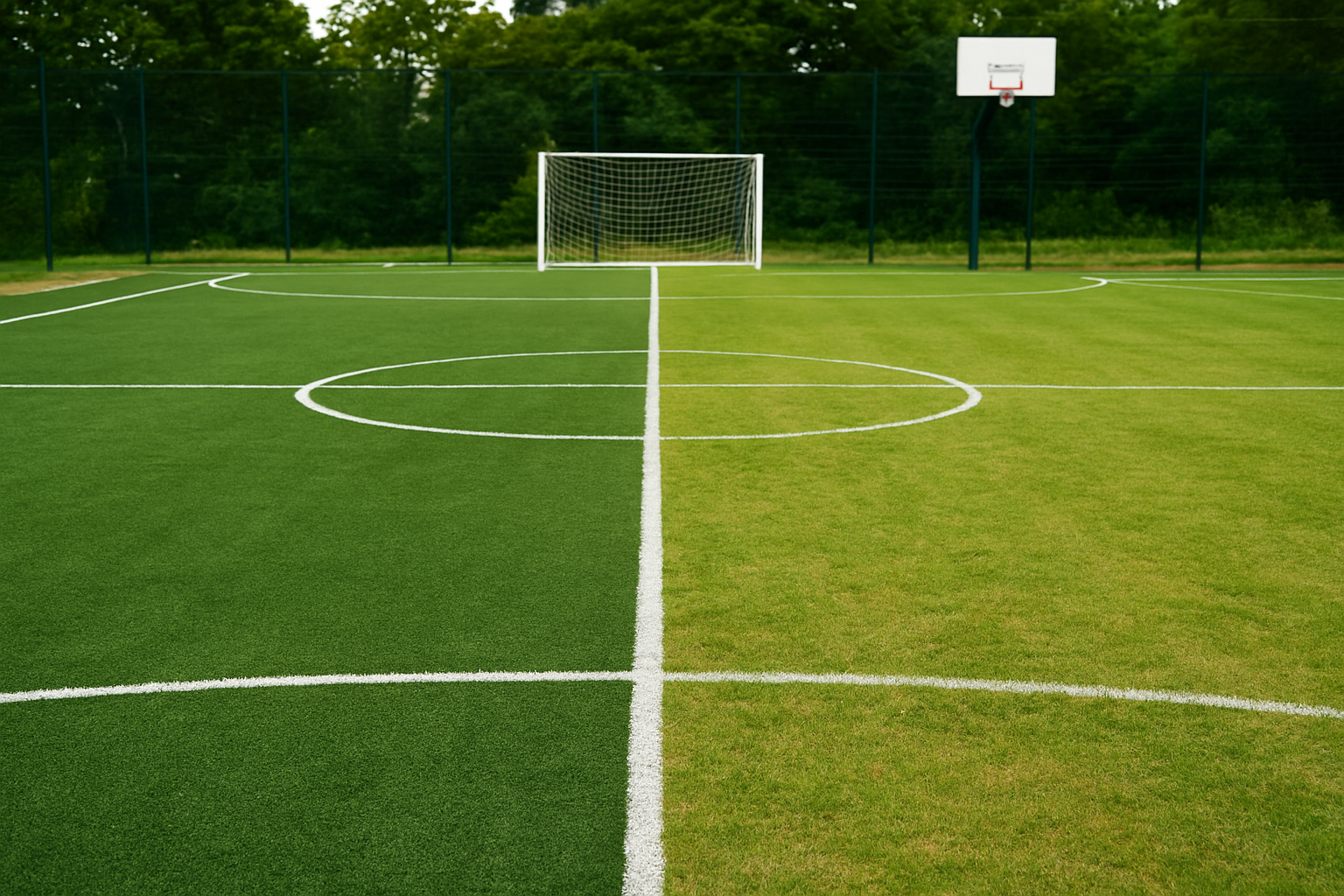
Every player, coach, and facility owner knows the playing surface can make or break the game. Sports courts aren’t just about aesthetics—they directly affect performance, safety, and maintenance.
That’s why the debate of Artificial Turf vs Natural Grass remains one of the most important choices for sports facilities worldwide.
In this blog, we’ll compare artificial turf and natural grass, explore their benefits and drawbacks, and help you decide which surface is best for your court with PFS Sports expertise.
Artificial Turf vs Natural Grass – The Core Difference
Natural Grass
Natural grass is a traditional playing surface loved for its fresh look and natural feel. It offers excellent traction and comfort but requires high maintenance.
Artificial Turf
Artificial turf is a synthetic alternative designed to mimic grass. Modern turf systems offer durability, consistent performance, and low maintenance, making them increasingly popular for sports courts.
Benefits of Artificial Turf
1. Low Maintenance
Artificial turf eliminates mowing, watering, and fertilizing. This saves both time and costs for facility owners.
2. All-Weather Playability
Unlike natural grass, turf remains usable in rain, heat, or cold. Its durability ensures fewer match cancellations.
3. Consistent Performance
Artificial turf provides uniform ball bounce, grip, and traction. Athletes enjoy predictable performance without muddy patches or uneven wear.
4. Longevity
With proper installation, artificial turf can last 8–10 years, making it a cost-effective long-term investment.
Drawbacks of Artificial Turf
- Can become warmer under direct sunlight.
- Requires periodic brushing and infill replacement.
- Initial installation cost is higher compared to grass.
Benefits of Natural Grass
1. Natural Aesthetic and Comfort
Players love the cool, natural feel of grass. It provides an authentic sports experience and reduces surface heat.
2. Eco-Friendly
Grass helps absorb carbon dioxide and naturally cools the environment. It is a sustainable option in many climates.
3. Softer Playing Surface
Natural grass is gentler on joints and reduces the risk of abrasions compared to some turf systems.
Drawbacks of Natural Grass
- Requires regular mowing, watering, and fertilizing.
- Susceptible to weather damage, leading to muddy or patchy surfaces.
- Higher long-term maintenance costs.
- Limited usability during rainy or extreme weather.
Artificial Turf vs Natural Grass – Which Performs Better?
For Durability
Artificial turf wins. It withstands thousands of playing hours annually without losing quality.
For Player Comfort
Natural grass is softer and cooler, offering a traditional playing experience.
For Maintenance
Artificial turf requires minimal upkeep compared to natural grass, which demands constant care.
For Cost Efficiency
Though turf installation costs more initially, lower maintenance balances expenses in the long run.
Best Sports Applications
Artificial Turf Works Best For:
- Football fields
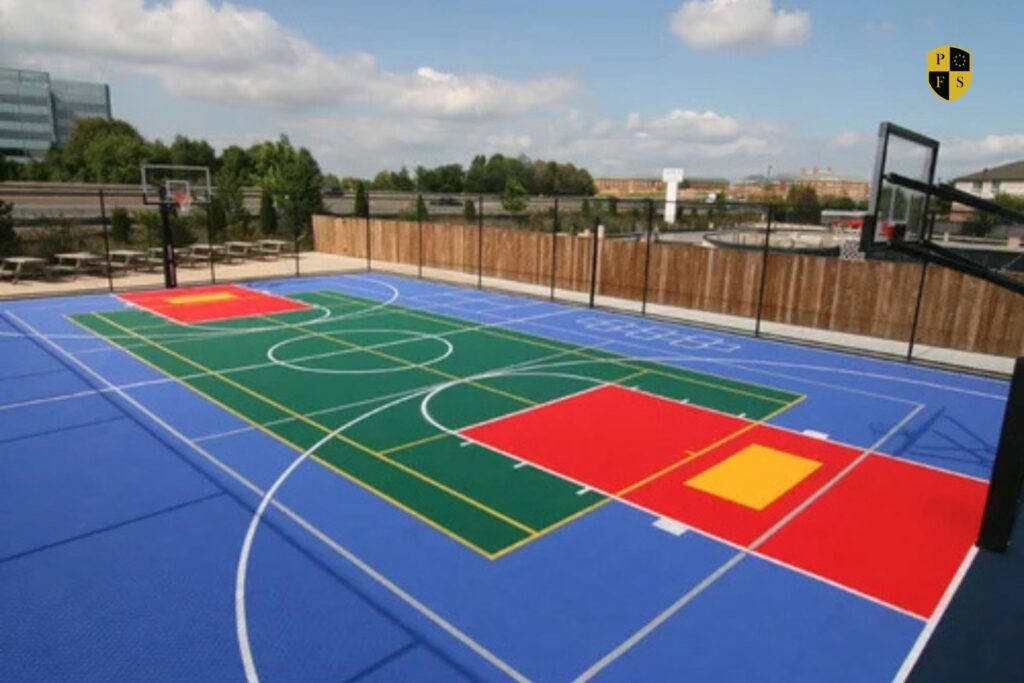
- Multi-sport courts
- Indoor arenas
- High-traffic facilities
Natural Grass Works Best For:
- Cricket grounds
- Golf courses
- Facilities with budget for high maintenance
- Venues prioritizing tradition and aesthetics
Why Choose PFS Sports for Your Court Surface
Global Expertise
At PFS Sports, we design and install world-class sports flooring solutions tailored to your needs.
Premium Materials
We use certified artificial turf systems that meet international standards, ensuring performance and safety.
Tailored Solutions
Whether you prefer artificial turf or natural grass, our experts recommend the best option based on climate, usage, and budget.
End-to-End Support
From consultation to installation and aftercare, PFS Sports provides complete flooring solutions for long-lasting courts.
Artificial Turf vs Natural Grass – Making the Right Choice
Choosing between artificial turf vs natural grass depends on your priorities—low maintenance and durability versus tradition and natural comfort. Both surfaces have unique strengths, but the right choice comes from balancing your facility’s needs, climate, and budget.
Conclusion
The Artificial Turf vs Natural Grass debate has no one-size-fits-all answer. Artificial turf ensures durability, consistency, and minimal maintenance, while natural grass delivers authenticity and comfort.
At PFS Sports, we provide expert guidance and premium materials to help you choose the perfect solution for your sports court.
👉 Get started with PFS Sports today and build a surface that matches your vision!