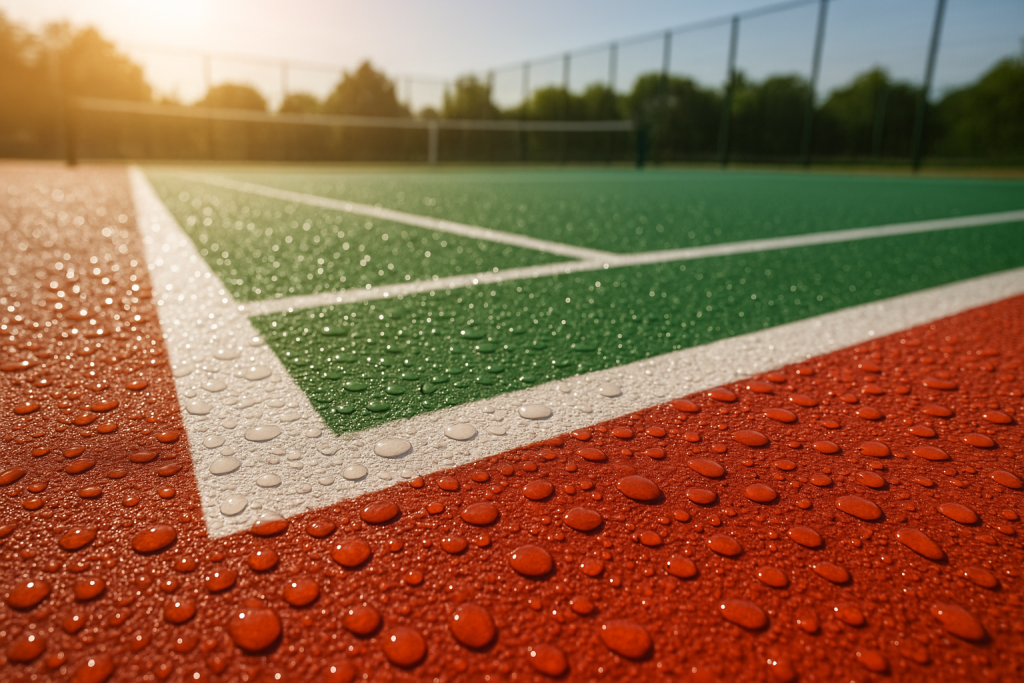
Environmental Impact of PU Binder: Is It Eco-Friendly?

We all agree that sustainability is no longer a choice—it’s a responsibility. From construction to manufacturing, every industry is finding ways to go greener. But what about the sports sector?
Here’s the promise: in this blog, you’ll discover how PFS Sport integrates sustainability into sports surface construction through PU Binder—a crucial material in modern sports flooring.
By the end, you’ll understand its environmental impact, eco-friendly properties, and why PFS Sport stands out in creating sustainable sports infrastructure.
What is PU Binder and Why Is It Important?
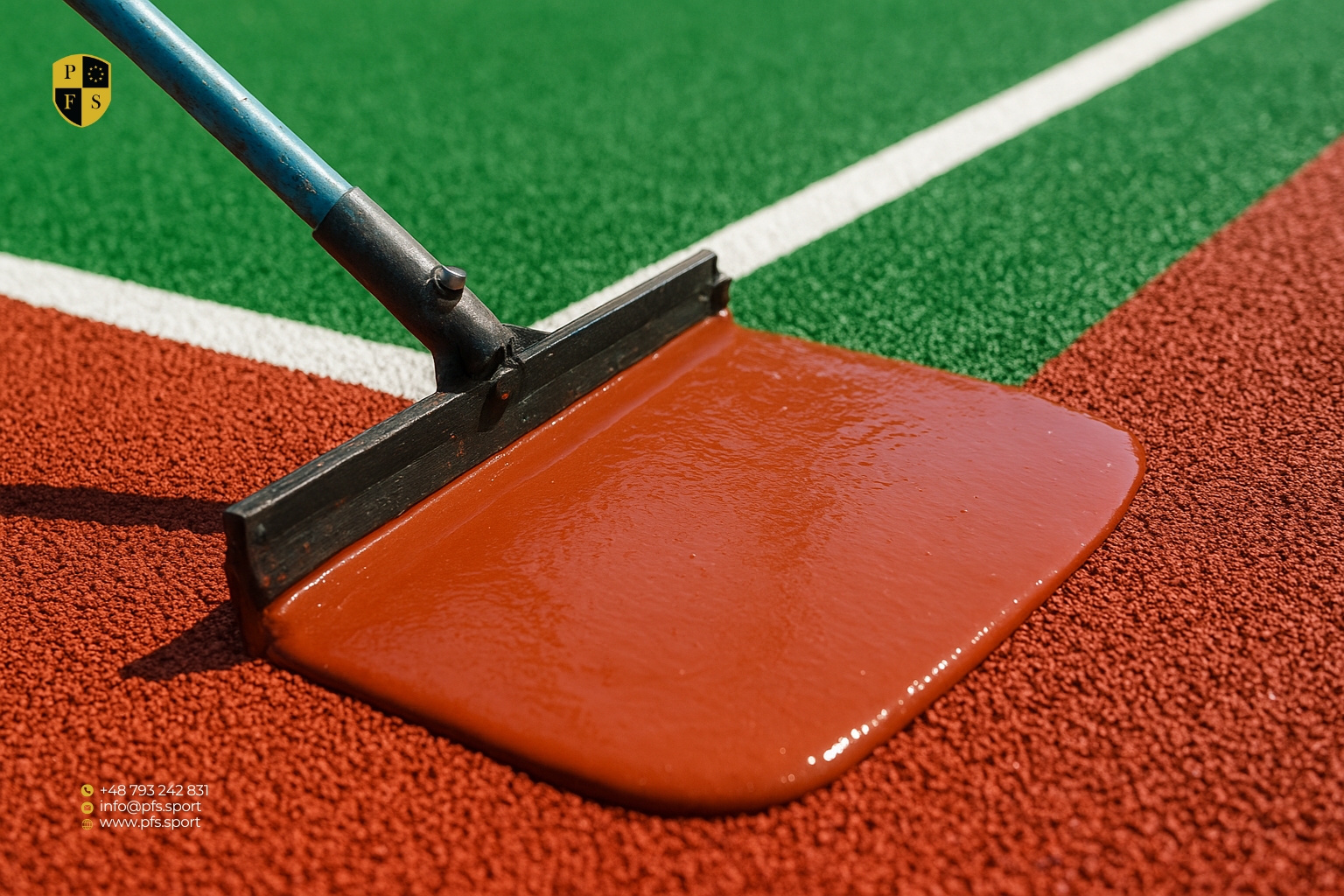
PU Binder (Polyurethane Binder) is the adhesive used to bond EPDM granules or rubber surfaces on sports courts, running tracks, and playgrounds. It ensures durability, elasticity, and weather resistance—core qualities for long-lasting performance surfaces.
In simple terms, PU Binder is the invisible hero that holds the sports flooring together, creating a seamless and resilient surface that can withstand years of use and exposure.
However, questions often arise about its environmental footprint. Is PU Binder harmful, or can it actually contribute to sustainability goals?
Understanding the Environmental Impact of PU Binder
When evaluating eco-friendliness, PU Binder’s impact depends on formulation, application, and lifecycle. Traditional binders once contained volatile organic compounds (VOCs), but technological advancements have made modern alternatives much cleaner.
Let’s break it down:
1. Low VOC Emissions
Modern PU Binders from PFS Sport are formulated with low-VOC content, minimizing harmful emissions during installation. This reduces air pollution and ensures a safer working environment.
2. Long Lifespan = Less Waste
A durable binder means surfaces last longer before requiring replacement. This translates into reduced material waste, fewer production cycles, and lower carbon output—key benefits in sustainable construction.
3. Recyclable Components
Many PU Binders today can be recycled or repurposed when the sports surface reaches the end of its life. The cured binder can often be granulated and reused in new applications.
4. Energy Efficiency in Production
PFS Sport utilizes energy-efficient manufacturing methods for PU Binders, reducing energy consumption and carbon footprint during production.
How PU Binder Contributes to Sustainable Sports Infrastructure
Sustainability in sports infrastructure is not only about using recyclable materials but also about longevity, safety, and environmental stewardship.
1. Enhanced Surface Longevity
PU Binder significantly extends the lifespan of sports surfaces. A well-bonded EPDM or PU surface resists cracking, UV degradation, and heavy impact—reducing the need for frequent repairs or resurfacing.
2. Safe for Players and the Planet
PFS Sport’s PU Binders are non-toxic and solvent-free, ensuring they are safe for both installers and athletes. Their chemical stability ensures that no harmful leaching occurs into the soil or groundwater.
3. Compatibility with Green Construction Standards
PFS Sport’s binders align with LEED and BREEAM sustainability certifications, making them ideal for organizations pursuing eco-friendly building projects.
4. Reduced Carbon Footprint Over Time
By ensuring durability, the need for manufacturing and transporting replacement materials drops significantly—directly lowering carbon emissions across the product lifecycle.
PU Binder in Action: Real-World Sustainability Applications
Let’s look at where PFS Sport’s PU Binders are making a sustainable difference worldwide.
1. Running Tracks and Athletic Facilities
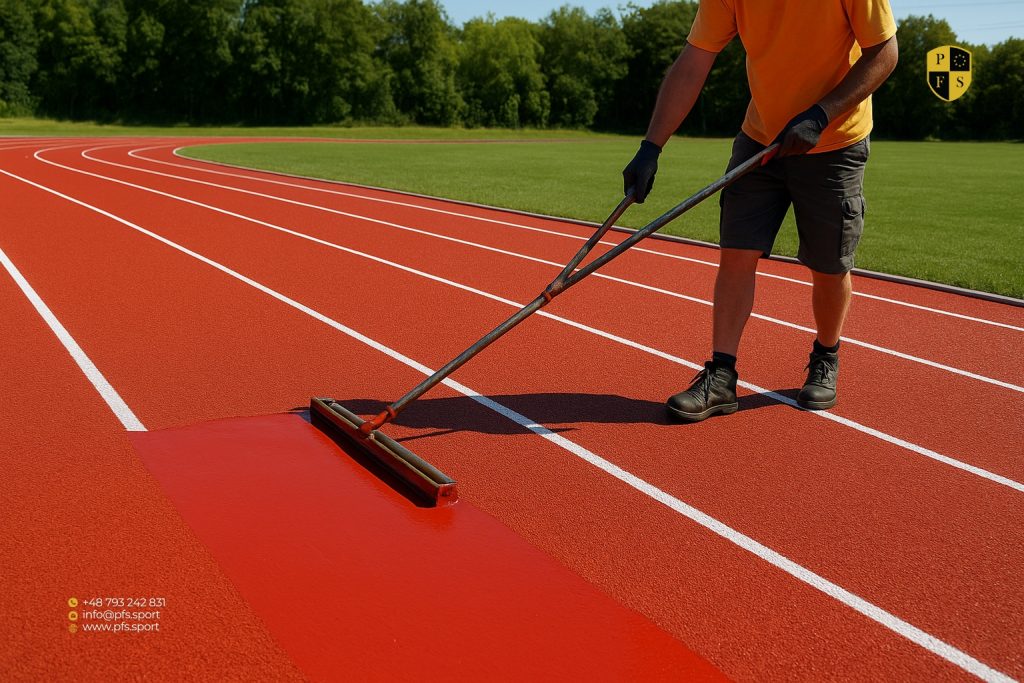
PU Binder helps create flexible, energy-returning tracks that last for decades. By reducing maintenance needs, these surfaces minimize energy and material consumption.
2. Multi-Sport Courts
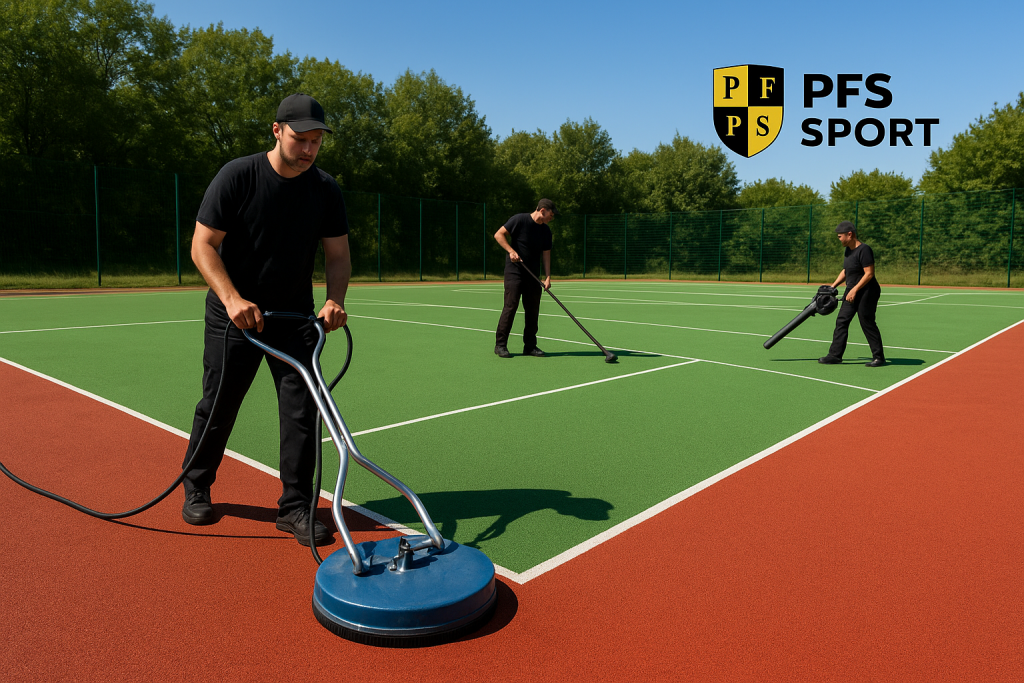
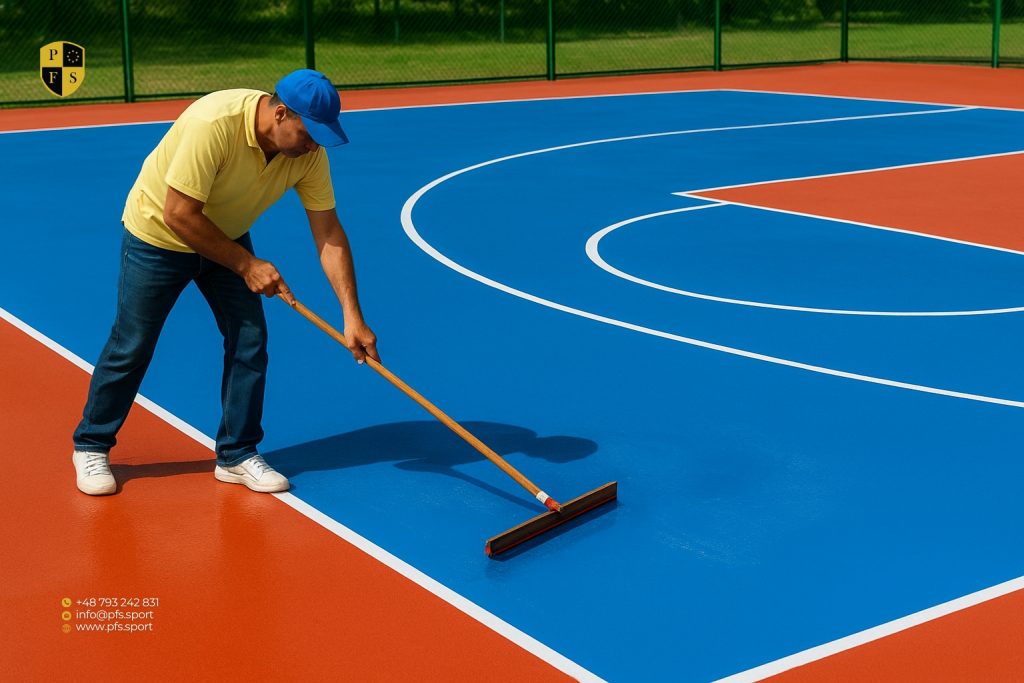
Whether for basketball, tennis, or volleyball, PU Binder ensures the surface remains even, resilient, and weather-resistant—all while meeting eco-friendly construction standards.
3. Playgrounds and Recreational Areas
EPDM flooring bound with PU Binder ensures safety for children while keeping the material environmentally responsible. Its UV-resistant nature means longer color life without chemical repainting.
4. Industrial and Commercial Surfaces
Even in non-sporting environments, PU Binders are being used for eco-conscious flooring—combining functionality with reduced environmental impact.
PFS Sport: Leading the Green Revolution in Sports Construction
At PFS Sport (Polska Fabryka Sportów), sustainability isn’t just a marketing term—it’s a guiding principle. As a global leader in sports infrastructure, PFS Sport is constantly innovating to create environmentally responsible solutions.
Here’s how the company makes a difference:
1. Sustainable Material Innovation
PFS Sport continuously refines its PU Binder formulations to meet international environmental standards, offering low-VOC, solvent-free, and non-toxic options.
2. Responsible Manufacturing
Their production facilities use renewable energy where possible and follow ISO environmental management protocols to minimize waste.
3. Recyclable Sports Surfaces
The company actively promotes recycling programs that repurpose used sports surfaces—reducing landfill waste and supporting circular economy principles.
4. Partnerships for a Greener Future
PFS Sport collaborates with architects, municipalities, and sports organizations worldwide to build eco-conscious sports infrastructure.
Myths About PU Binder and the Environment
Despite its growing reputation, misconceptions still exist about PU Binder. Let’s clear them up.
Myth 1: PU Binder Releases Toxic Fumes
Modern binders from trusted manufacturers like PFS Sport are formulated with low or zero VOCs, making them safe for both workers and the environment.
Myth 2: PU Binder Cannot Be Recycled
While old formulations were difficult to reuse, new-generation PU Binders can be ground and integrated into secondary applications—reducing waste.
Myth 3: PU Binder Pollutes Soil and Water
High-quality PU Binders undergo rigorous testing to ensure chemical stability, meaning they don’t leach toxins into soil or water.
Myth 4: Eco-Friendly Options Compromise Quality
PFS Sport’s advanced technology ensures sustainability without sacrificing performance, ensuring excellent adhesion, elasticity, and weather resistance.
The Future of PU Binder: Toward Carbon Neutral Sports Surfaces
The future of sports infrastructure lies in balancing performance with environmental care. PU Binder plays a central role in that transformation.
Here’s what’s next:
1. Bio-Based PU Binders
Researchers are exploring bio-based polyurethane made from renewable materials like soy or castor oil. This could further lower environmental impact.
2. Closed-Loop Recycling Systems
Innovations are making it possible to fully recycle old surfaces into new installations, minimizing raw material use.
3. Net-Zero Manufacturing Goals
Companies like PFS Sport are working toward net-zero production, ensuring every binder produced contributes to a greener planet.
Conclusion
The question—“Is PU Binder eco-friendly?”—now has a clear answer: Yes, when it’s made responsibly.
With advancements in chemistry and sustainability, PFS Sport has proven that PU Binder can enhance performance while protecting the planet. Its long lifespan, recyclability, and low environmental footprint make it a cornerstone of modern sustainable sports infrastructure.
For organizations aiming to build durable, safe, and eco-conscious facilities, PFS Sport stands as a trusted global partner.
Build your next sports project with sustainability at its core.
👉 Explore eco-friendly PU Binders and sports infrastructure solutions at PFS Sport today.