Outdoor Acrylic Flooring Performance in High-Heat Regions

Heat Is the Ultimate Stress Test for Sports Floors
If you manage outdoor sports courts in hot climates, you already know the struggle. Extreme heat, intense sunlight, and surface expansion can destroy poorly designed floors. Many facility owners share this concern.
Here’s the promise: Acrylic Flooring Performance is proven to withstand high-heat regions without cracking, fading, or losing playability.
In this blog, we explore how acrylic flooring performs under extreme temperatures, what makes it heat-resistant, and why PFS Sports (Polska Fabryka Sportów) is trusted worldwide for outdoor sports flooring solutions.
Understanding Acrylic Flooring Performance
What Is Acrylic Sports Flooring?
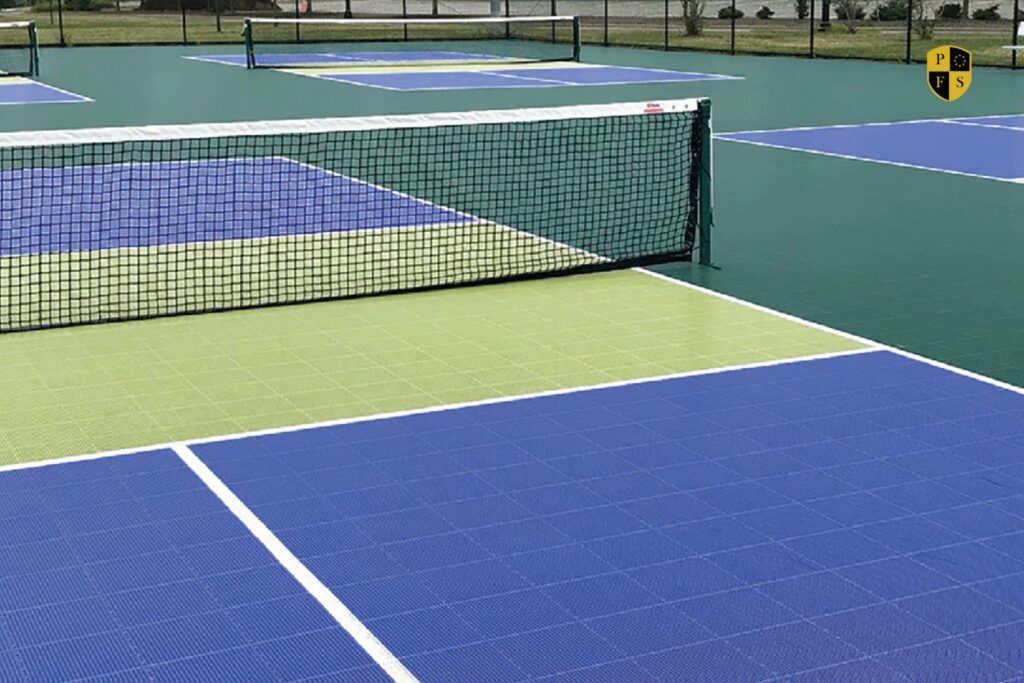
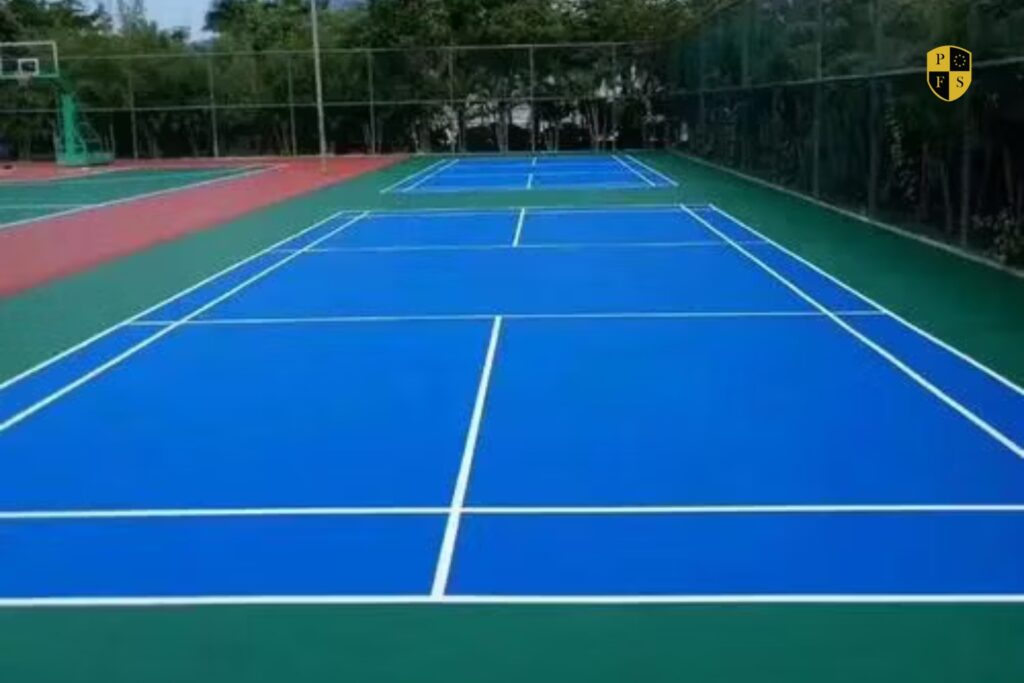
Acrylic sports flooring is a multi-layer coating system applied over asphalt or concrete bases. It creates a seamless, textured surface optimized for traction and durability.
Because the system remains flexible, Acrylic Flooring Performance stays consistent even under temperature stress.
Why Performance Matters in Hot Climates
High heat accelerates surface wear. Flooring must resist UV rays, thermal expansion, and moisture evaporation without degradation.
Challenges of Outdoor Flooring in High-Heat Regions
Extreme Surface Temperatures
In hot regions, court surfaces can exceed 60°C. Poor materials harden, crack, or peel under such stress.
UV Radiation Damage
Constant sun exposure fades colors and weakens coatings. Without UV protection, flooring performance declines rapidly.
Expansion and Contraction Cycles
Day-to-night temperature swings cause surface movement. Flooring must adapt without structural failure.
How Acrylic Flooring Performance Handles Extreme Heat
UV-Resistant Acrylic Formulations
High-quality acrylic systems include UV-stable pigments and binders. These prevent fading and surface breakdown.
As a result, Acrylic Flooring Performance remains visually appealing for years.
Thermal Flexibility
Acrylic coatings are engineered to expand and contract with the base. This flexibility reduces cracking risks significantly.
Slip Resistance and Player Safety in Hot Conditions
Maintaining Grip Despite Heat
Heat can soften inferior surfaces, reducing traction. Acrylic Flooring Performance maintains textured grip even at high temperatures.
Reduced Burn and Injury Risks
Advanced acrylic systems disperse heat evenly. This improves comfort and reduces surface-related injuries.
Durability Advantages of Acrylic Flooring Performance
Long-Term Resistance to Wear
Outdoor courts in hot climates experience heavy use. Acrylic systems resist abrasion and surface breakdown effectively.
Color Stability Over Time
UV-resistant pigments ensure long-lasting color vibrancy. Courts look professional despite prolonged sun exposure.
Acrylic Flooring Performance vs Other Outdoor Flooring Options
Acrylic vs Concrete
Bare concrete absorbs heat and cracks easily. Acrylic systems protect the base while improving playability.
Acrylic vs PU Flooring
PU flooring offers cushioning but struggles outdoors in extreme heat. Acrylic Flooring Performance is more reliable for hot climates.
Acrylic vs Modular Tiles
Tiles expand unevenly in heat, causing gaps. Seamless acrylic systems avoid this issue entirely.
Ideal Applications in High-Heat Regions
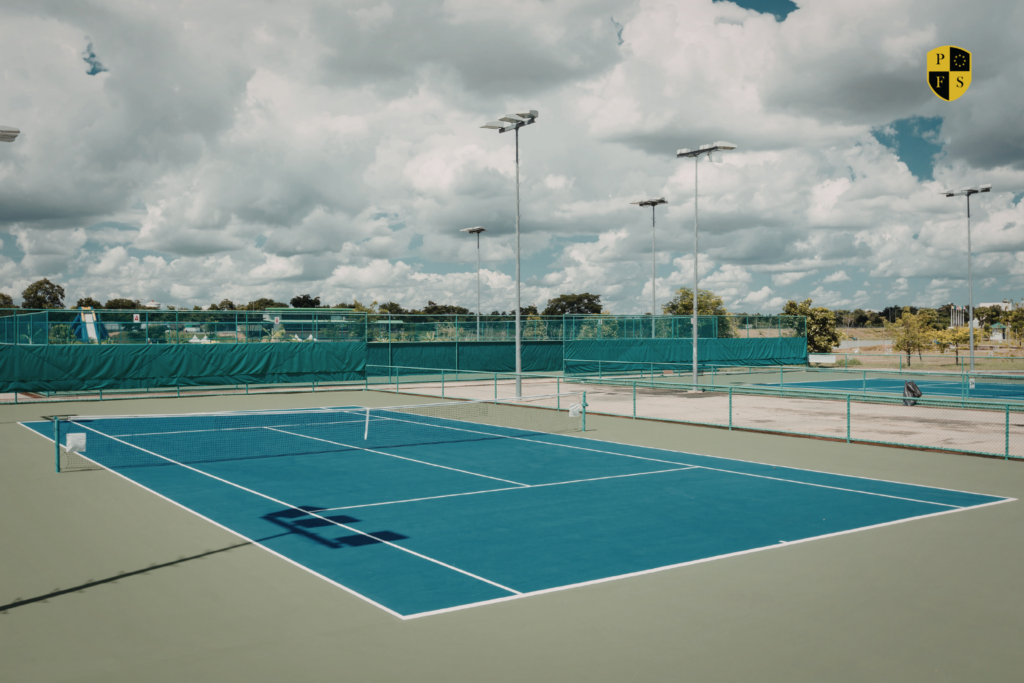
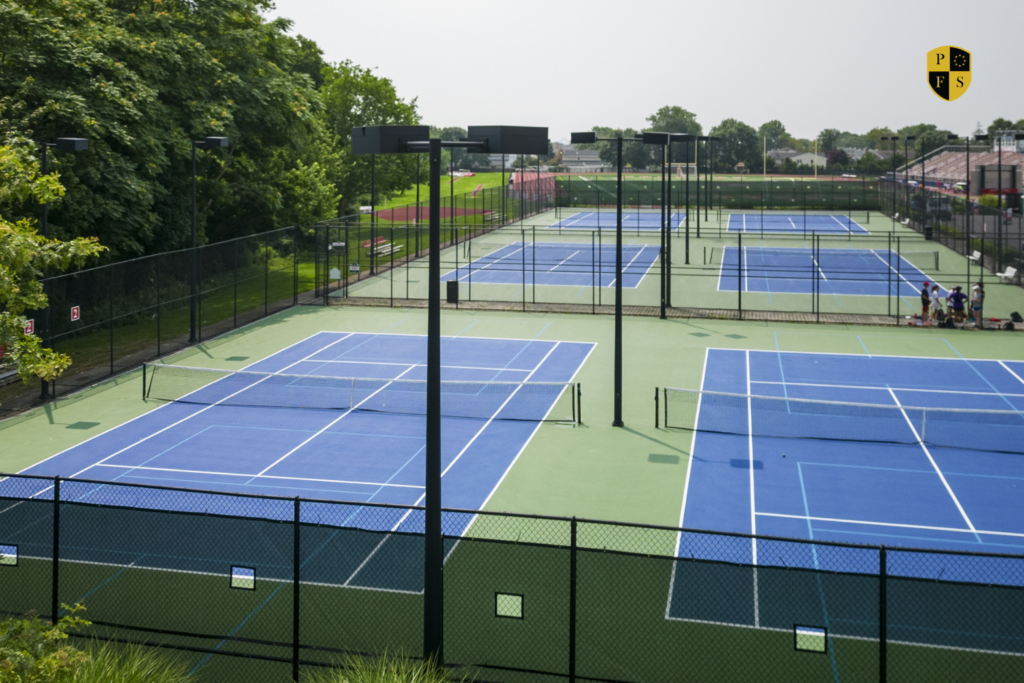
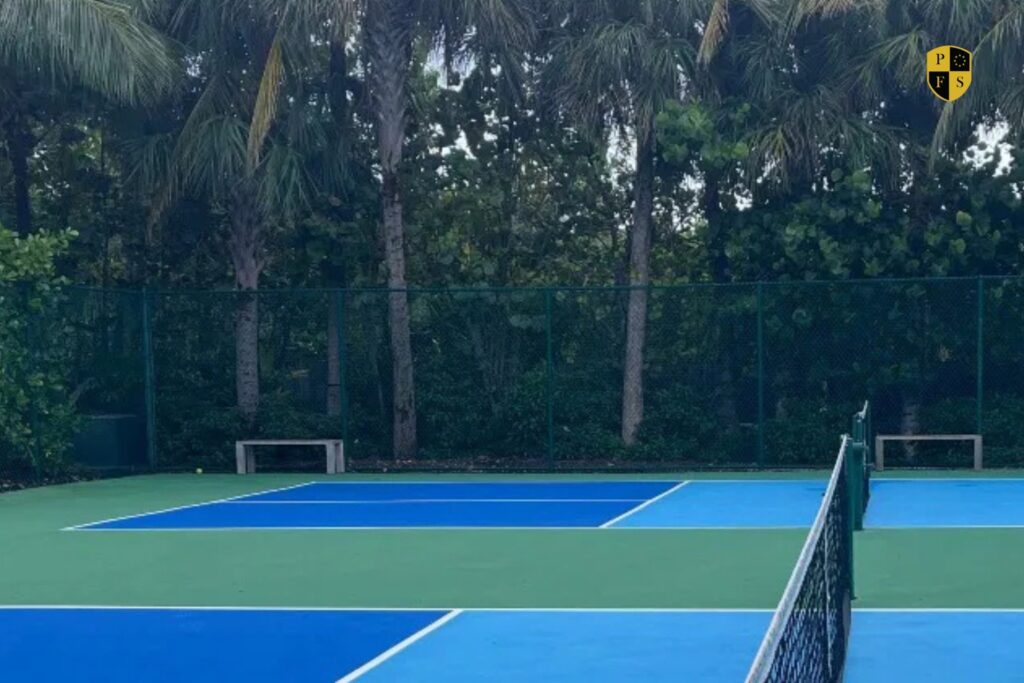
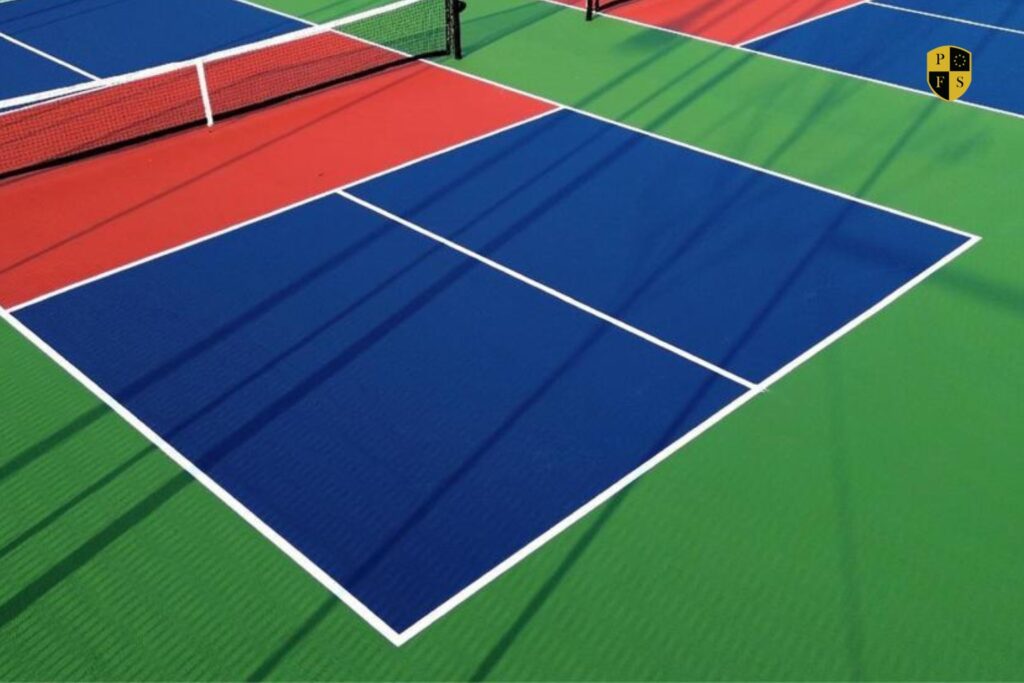
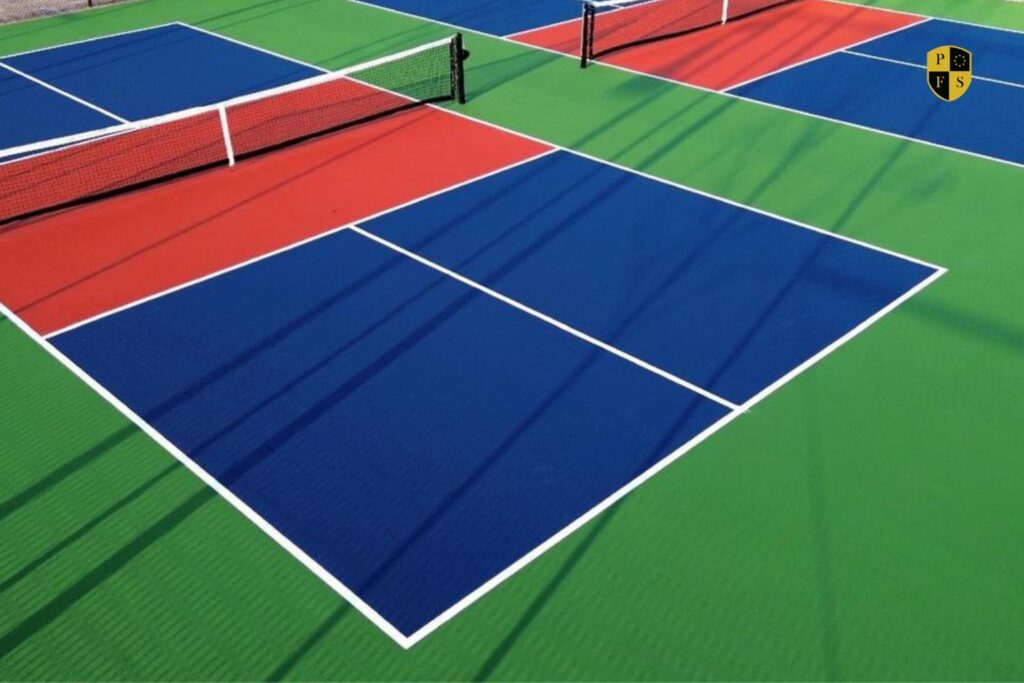
Outdoor Basketball and Tennis Courts
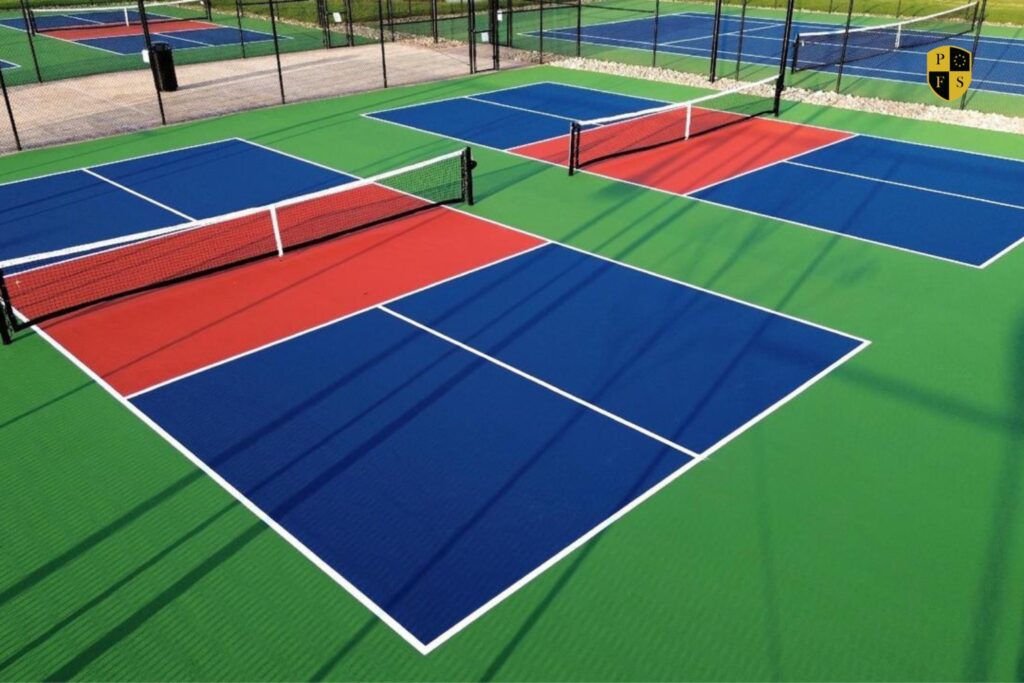
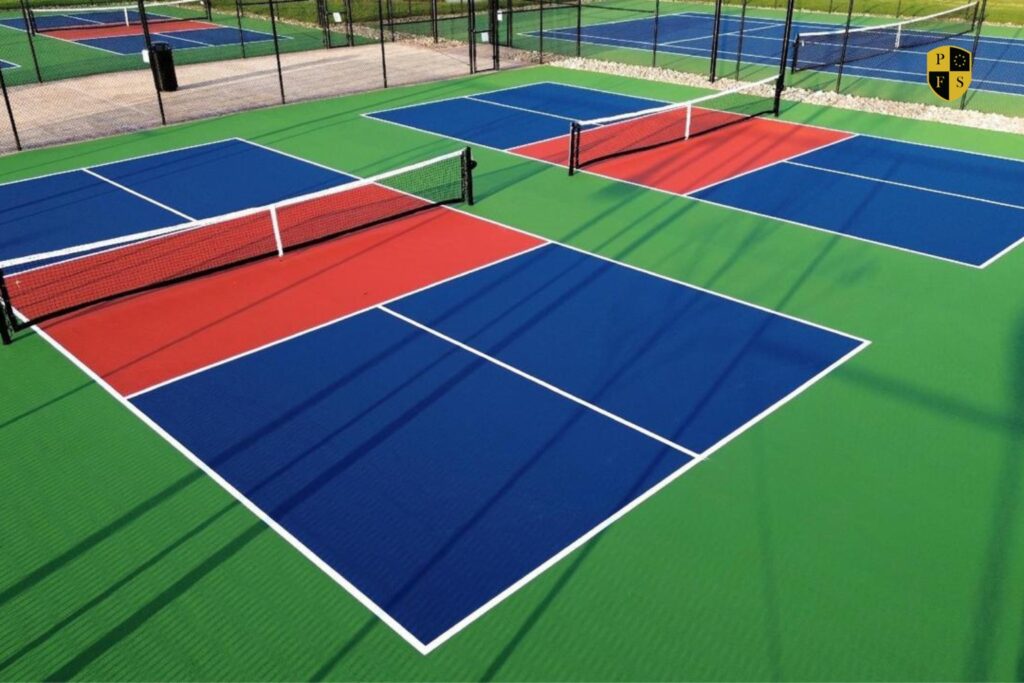
Acrylic Flooring Performance ensures consistent bounce and traction in extreme summer conditions.
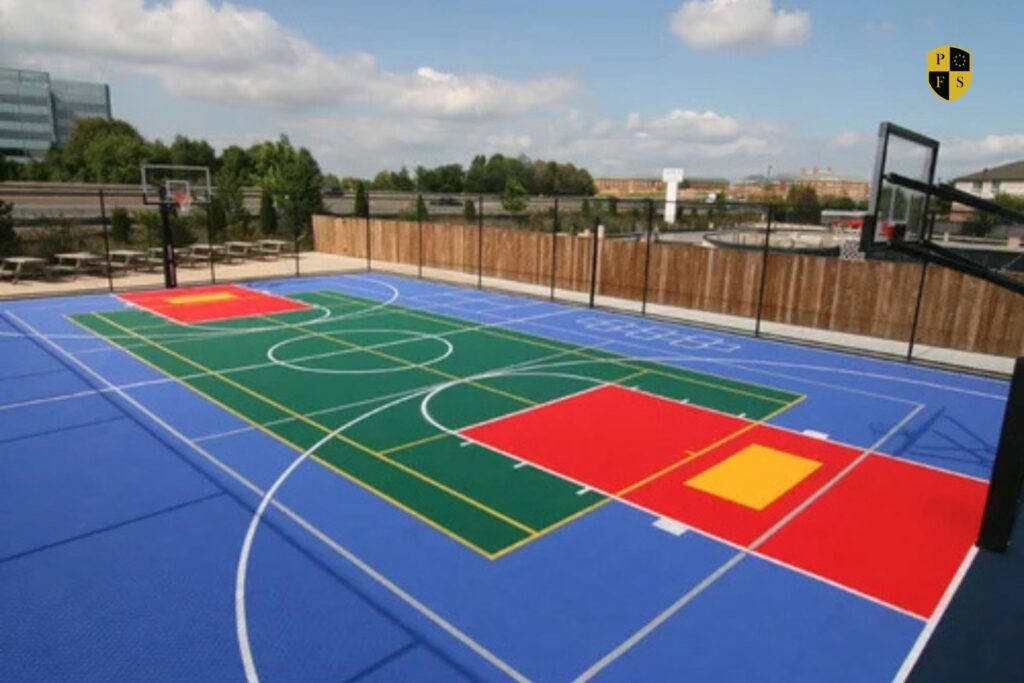
Multi-Purpose Sports Courts
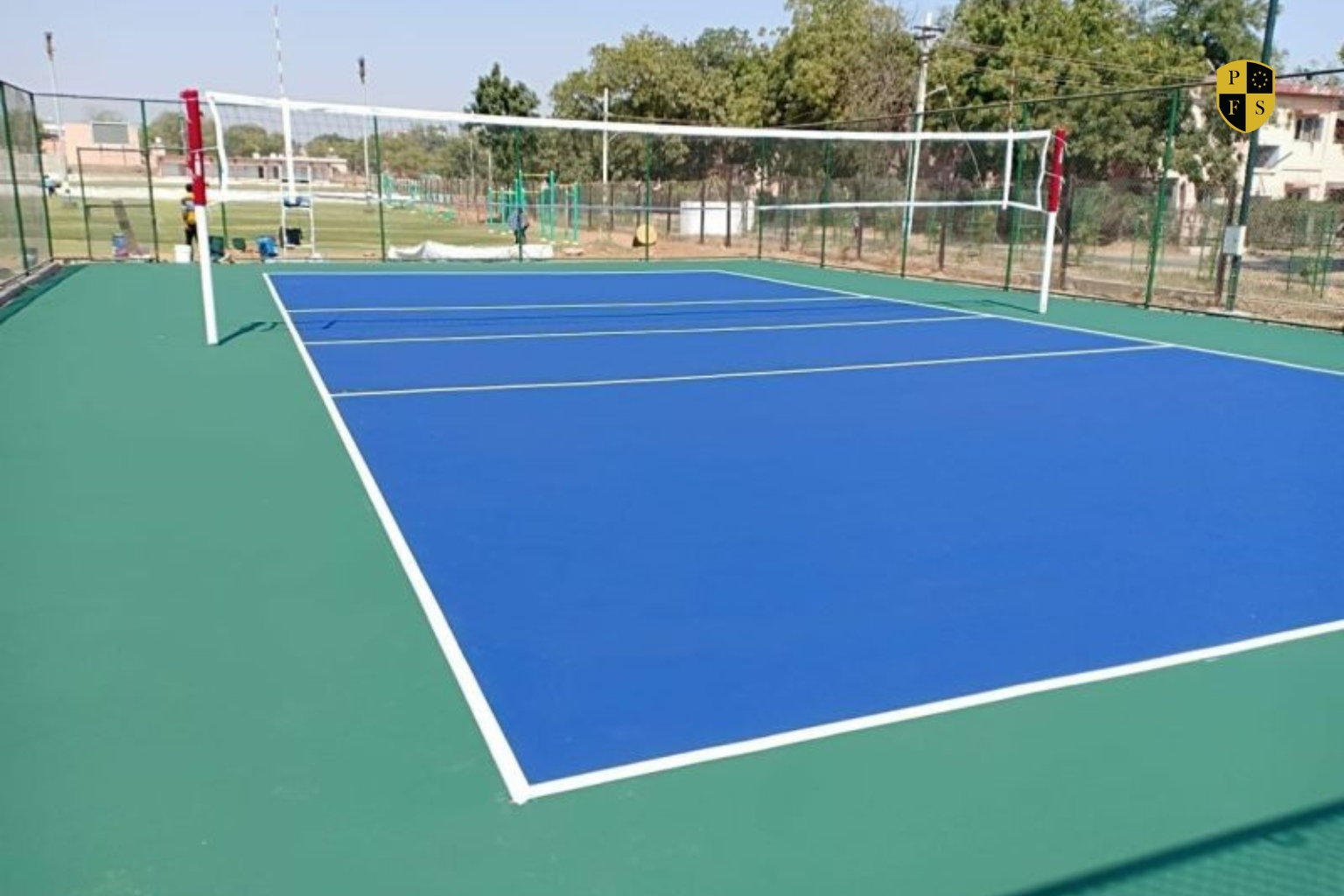
Multi-sport facilities rely on acrylic systems for durability and flexibility across activities.
Schools and Community Facilities
Educational and public courts benefit from low maintenance and long-lasting performance.
Installation Considerations for Hot Climate Acrylic Flooring
Surface Preparation Is Critical
Proper base preparation prevents moisture and expansion-related failures. This step directly impacts Acrylic Flooring Performance.
Temperature-Controlled Application
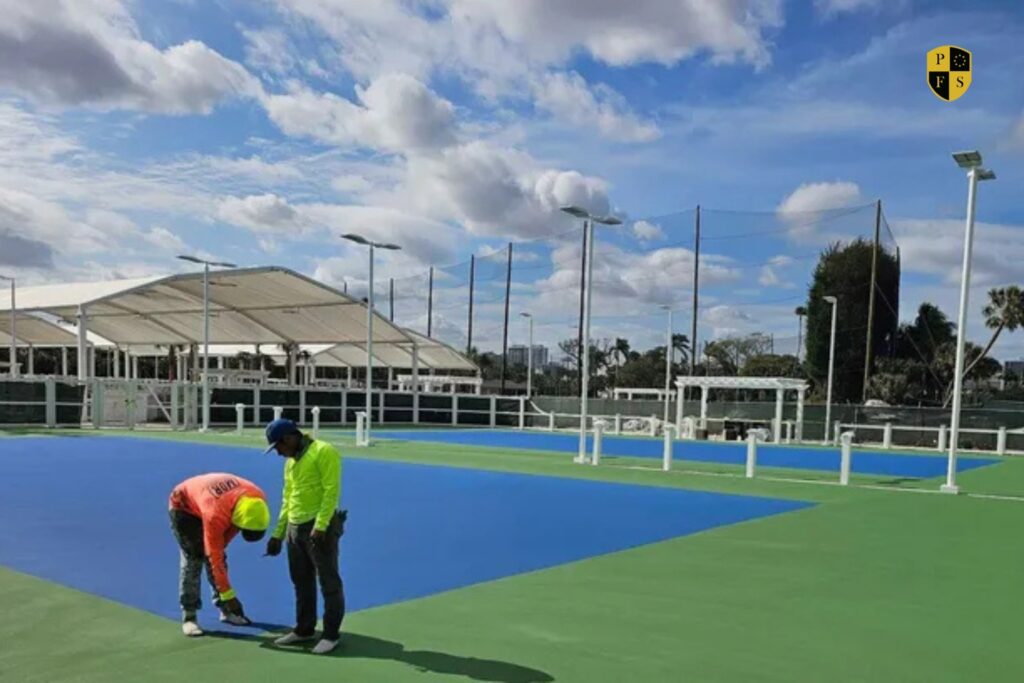
Professional installers apply acrylic coatings under controlled conditions. This ensures proper curing and bonding.
Maintenance of Acrylic Flooring Performance in Hot Regions
Simple Cleaning Routines
Regular sweeping and washing prevent dust buildup. This maintains surface traction and appearance.
Periodic Inspections
Early crack detection allows quick repairs. This extends flooring life significantly.
Sustainability Benefits in Extreme Climates
Reduced Material Waste
Acrylic systems extend the life of existing courts. This minimizes demolition and waste.
Lower Resource Consumption
Longer lifecycles reduce frequent replacements. This supports sustainable facility management.
Why PFS Sports Excels in High-Heat Acrylic Flooring
Climate-Tested Acrylic Systems
PFS Sports (Polska Fabryka Sportów) designs acrylic systems tested for extreme heat and UV exposure.
Global Manufacturing Expertise
PFS Sports supplies outdoor sports flooring worldwide. Their solutions perform reliably in desert and tropical regions.
Complete Project Support
From material selection to installation guidance, PFS Sports ensures consistent Acrylic Flooring Performance.
Real-World Performance in Hot Regions
Proven Results Across Harsh Climates
Facilities using PFS Sports acrylic systems report stable surfaces, minimal cracking, and long service life.
Trusted by Facility Managers
Consistent performance builds trust among sports administrators and contractors.
Conclusion: Why Acrylic Flooring Performance Wins in High Heat
Outdoor sports flooring must survive extreme heat without compromising safety or playability. Acrylic Flooring Performance delivers flexibility, UV resistance, and long-term durability in demanding climates. With minimal maintenance and strong cost efficiency, acrylic systems remain the top choice for high-heat regions.
By choosing PFS Sports, facility owners gain proven acrylic solutions engineered for extreme outdoor conditions.
👉 Explore heat-resistant acrylic sports flooring with PFS Sports: https://www.pfs.sport