Why Sports Infrastructure Is a High-Growth Industry in 2026

Sports are no longer just about competition. Today, they shape communities, cities, and economies. Governments, schools, and private investors now see sports facilities as long-term assets, not expenses.
This blog explains why sports infrastructure is becoming one of the fastest-growing industries in 2026. You will understand the market drivers, technology trends, and investment opportunities shaping this sector.
We will explore global growth factors, sustainability demands, modern sports surfaces, and how PFS Sports leads innovation in high-performance sports infrastructure worldwide.
The Rapid Rise of Sports Infrastructure in 2026
Sports infrastructure is evolving at an unprecedented pace. In 2026, demand continues to rise across urban and rural regions. Governments, private developers, and educational institutions are expanding facilities to support healthier lifestyles and professional sports growth.
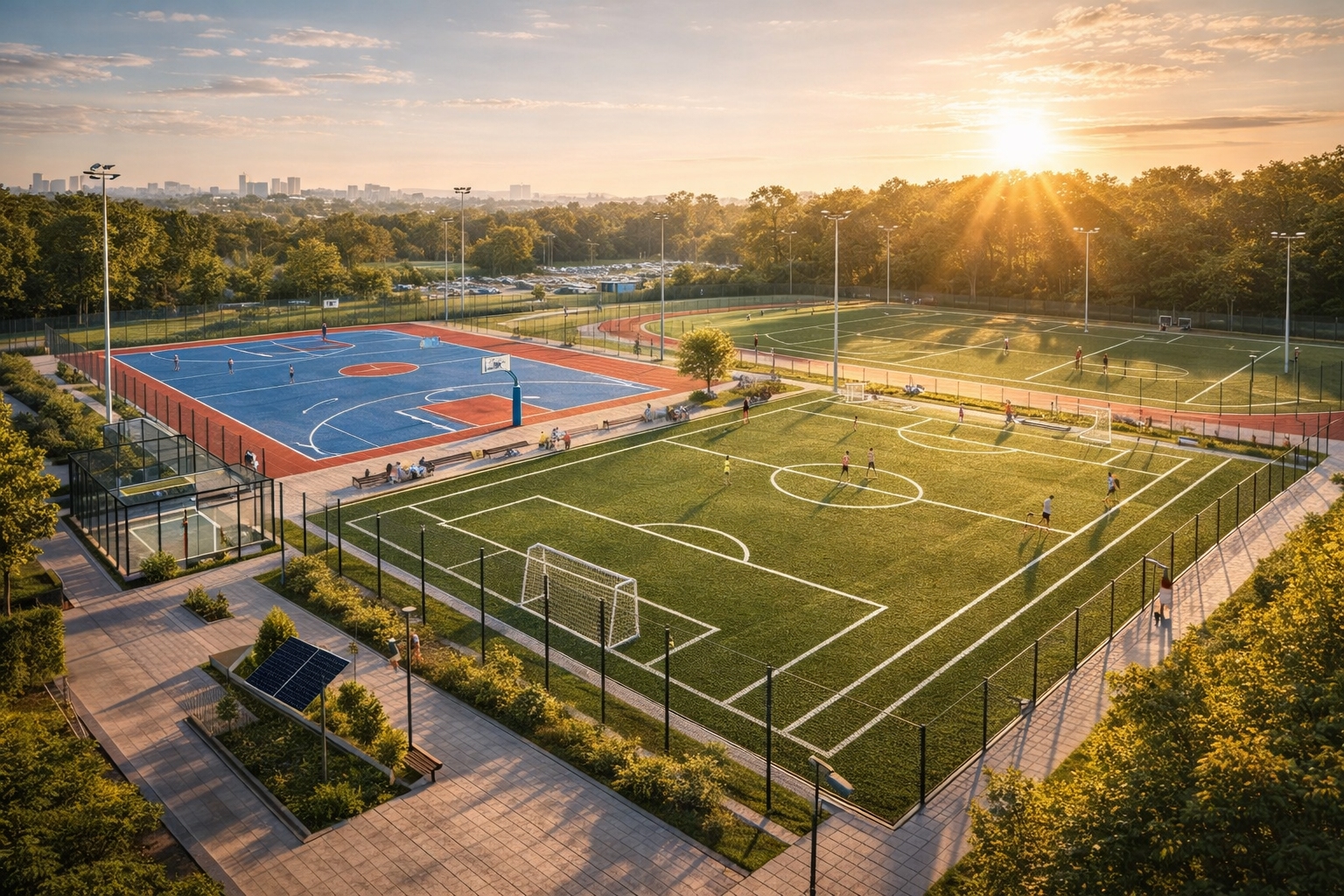
Moreover, multi-sport complexes, smart stadiums, and community sports hubs are gaining traction. As a result, sports infrastructure has become a stable and future-ready investment sector.
What Is Sports Infrastructure?
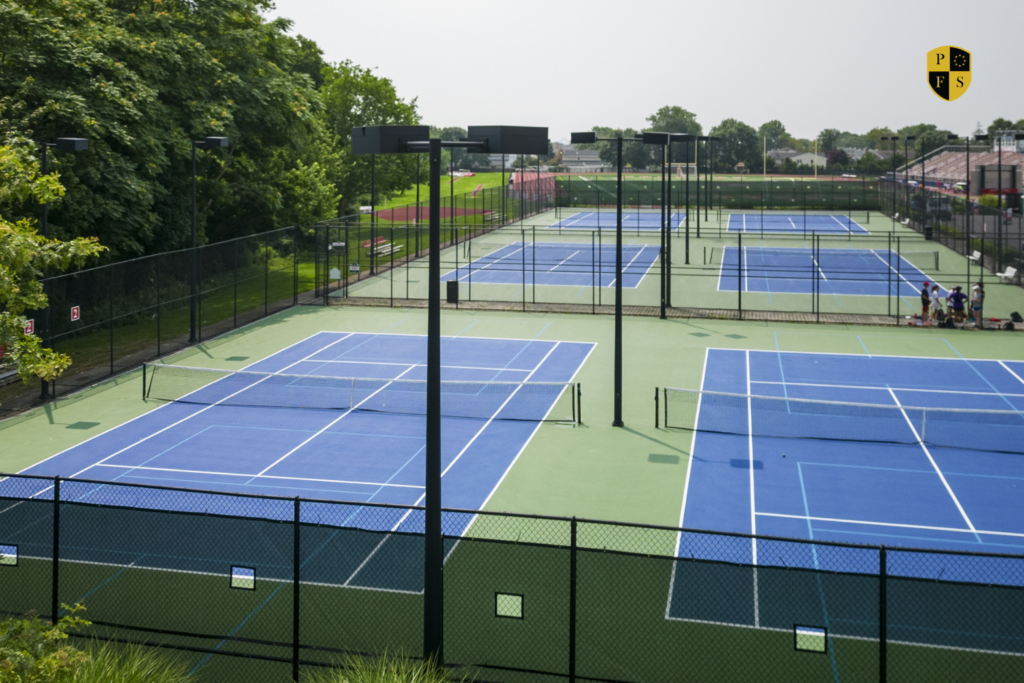
Sports infrastructure includes all physical facilities supporting athletic activities. These facilities range from stadiums and running tracks to artificial turf fields and indoor sports courts.
Additionally, it covers flooring systems, drainage layers, lighting, fencing, and safety installations. Companies like PFS Sports specialize in providing advanced materials and systems that ensure durability, safety, and performance.
Key Drivers Fueling Sports Infrastructure Growth in 2026
Government Investments and Public Policies
Governments worldwide are prioritizing sports development. Public funding supports Olympic training centers, school playgrounds, and community parks.
Furthermore, sports infrastructure promotes public health and reduces long-term healthcare costs. Therefore, national sports missions and urban development programs continue driving consistent industry growth.
Rising Health and Fitness Awareness
People are more health-conscious than ever. Fitness culture now influences urban planning and residential development.
As a result, demand for jogging tracks, football fields, padel courts, and multi-use sports areas is increasing. Sports infrastructure plays a crucial role in supporting active lifestyles across all age groups.
Expansion of Professional and Amateur Sports
Professional leagues are expanding globally. At the same time, amateur sports participation is growing rapidly.
Schools, universities, and private academies need high-quality sports surfaces. PFS Sports delivers certified systems that meet international performance and safety standards for all levels of play.
The Role of Technology in Modern Sports Infrastructure
Advanced Sports Flooring Materials
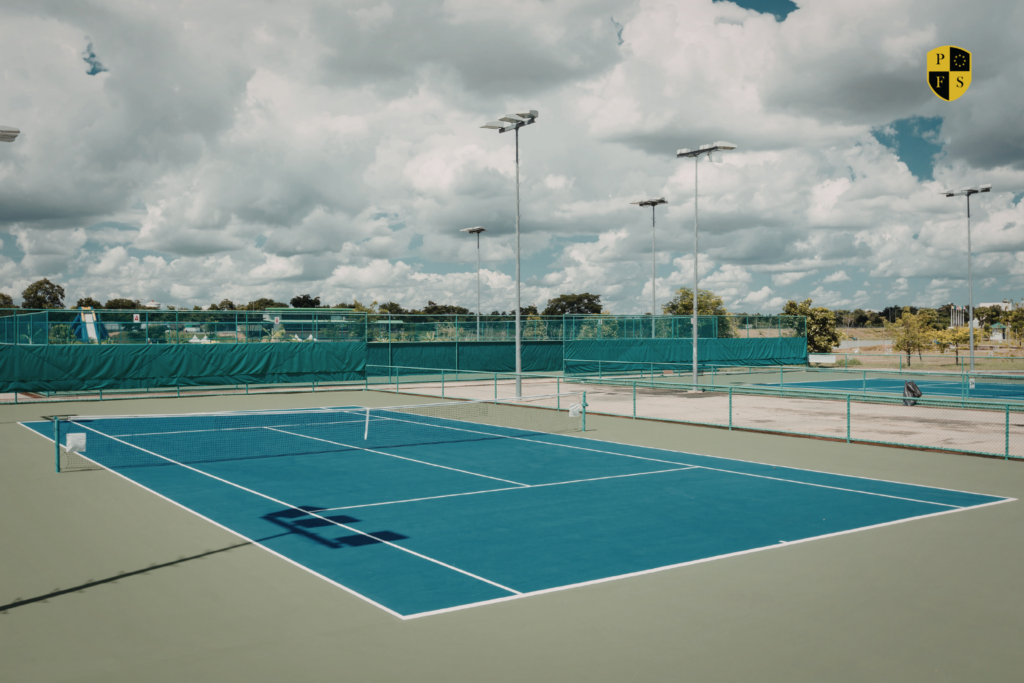
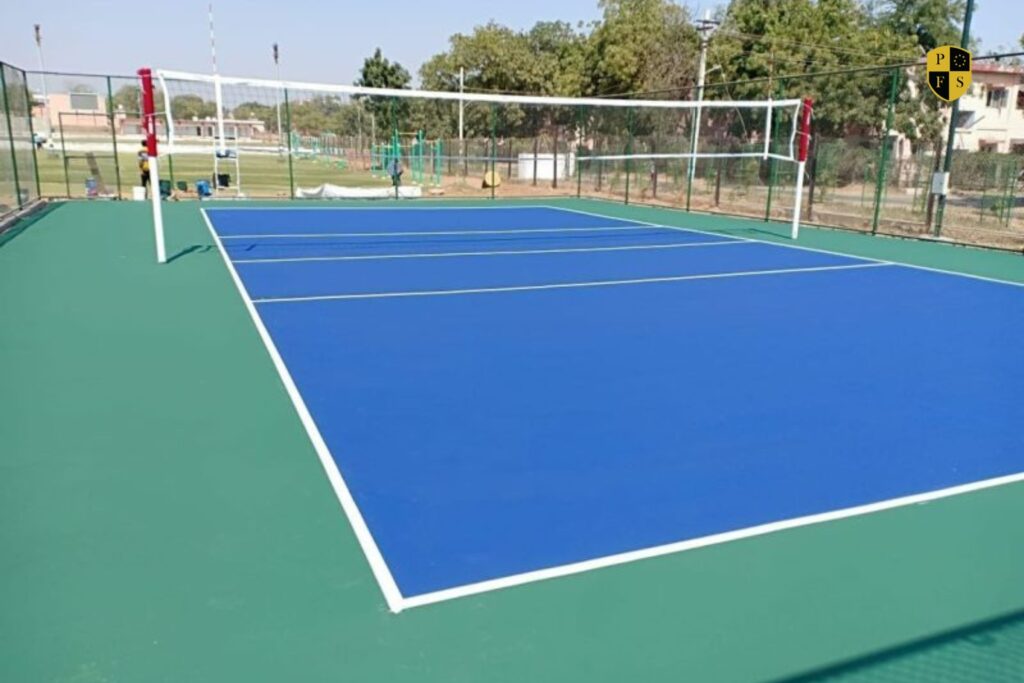
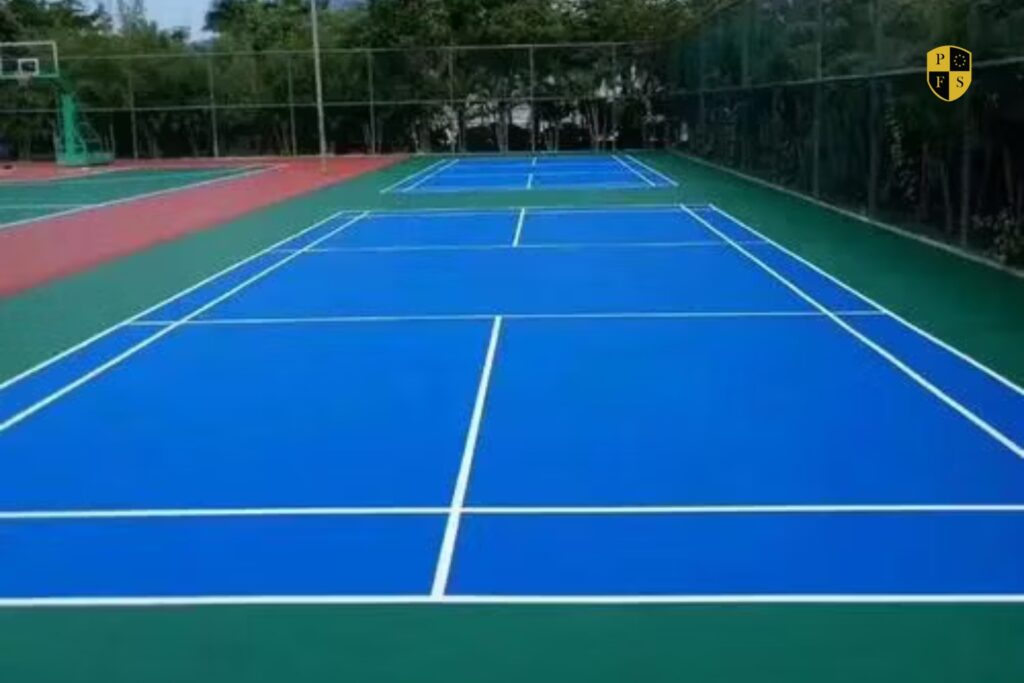
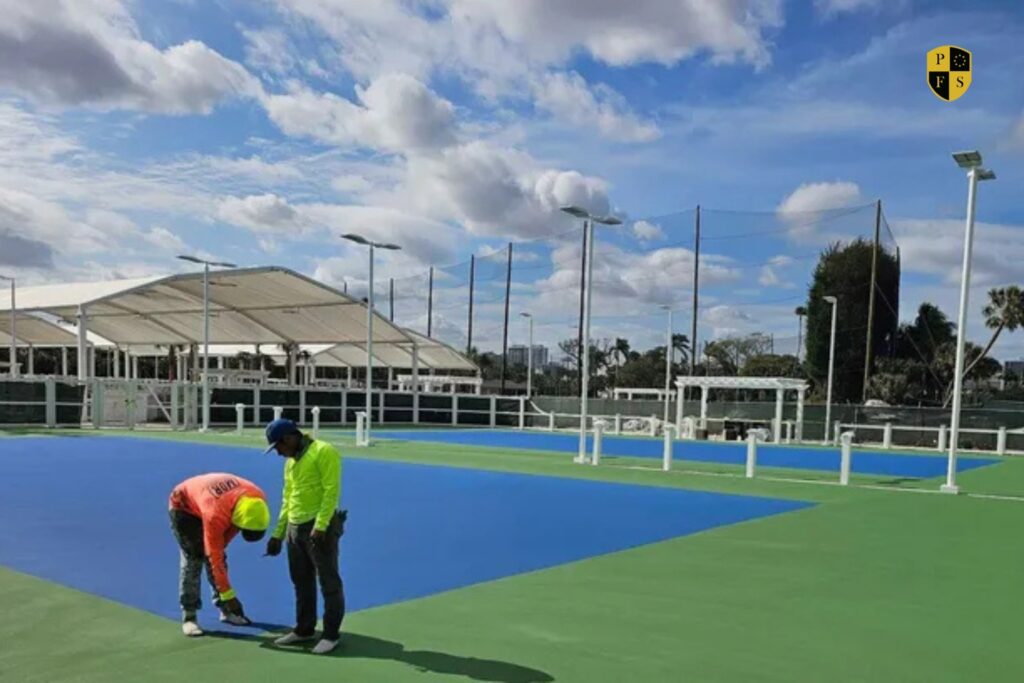
Modern sports surfaces are engineered for performance and safety. Acrylic courts, artificial turf, EPDM tracks, and polyurethane systems dominate the market.
These surfaces improve shock absorption, weather resistance, and athlete comfort. PFS Sports uses cutting-edge materials to ensure long-term durability and consistent play conditions.
Smart Stadiums and Digital Integration
Technology is transforming sports venues. Smart lighting, digital scoreboards, and performance tracking systems enhance user experience.
Additionally, data-driven maintenance systems reduce operational costs. Smart sports infrastructure increases facility lifespan while improving spectator engagement.
Sustainability Driving Sports Infrastructure Demand
Eco-Friendly Construction Practices
Sustainability is no longer optional. Developers now prefer eco-friendly sports infrastructure solutions.
Low-emission materials, water-permeable surfaces, and recyclable components are in high demand. PFS Sports actively supports sustainable manufacturing and environmentally responsible installations.
Long-Life and Low-Maintenance Systems
Durability matters in sports infrastructure. Long-lasting surfaces reduce maintenance costs and environmental impact.
For this reason, EPDM tracks, artificial turf, and acrylic systems from PFS Sports are designed for heavy use and extreme weather conditions.
Urbanization and Smart Cities Boosting Demand
Urban populations continue to grow. Cities now integrate sports infrastructure into smart city planning.
Public sports parks, rooftop courts, and compact multi-sport areas maximize space usage. Consequently, modern urban design heavily relies on efficient and modular sports solutions.
Economic Benefits of Sports Infrastructure Investment
Job Creation and Local Development
Sports infrastructure projects generate employment across construction, manufacturing, and facility management.
Additionally, sports venues attract tourism, events, and sponsorships. These benefits strengthen local economies while creating long-term revenue opportunities.
High Return on Investment (ROI)
Sports infrastructure delivers strong ROI through memberships, events, and rentals.
Facilities built with premium systems from PFS Sports offer extended lifecycle value. As a result, investors see consistent returns with minimal risk.
Why PFS Sports Is a Trusted Name in Sports Infrastructure
Global Expertise and Proven Quality
PFS Sports (Polska Fabryka Sportów) delivers world-class sports infrastructure solutions globally.
Their products meet international certifications and performance benchmarks. From professional stadiums to community courts, PFS Sports ensures precision and quality.
Complete Sports Surface Solutions
PFS Sports offers:
- Artificial turf systems
- Acrylic sports flooring
- EPDM granules and tracks
- PU binders and shock pads
Each solution is engineered for safety, performance, and longevity.
Sports Infrastructure Trends to Watch in 2026
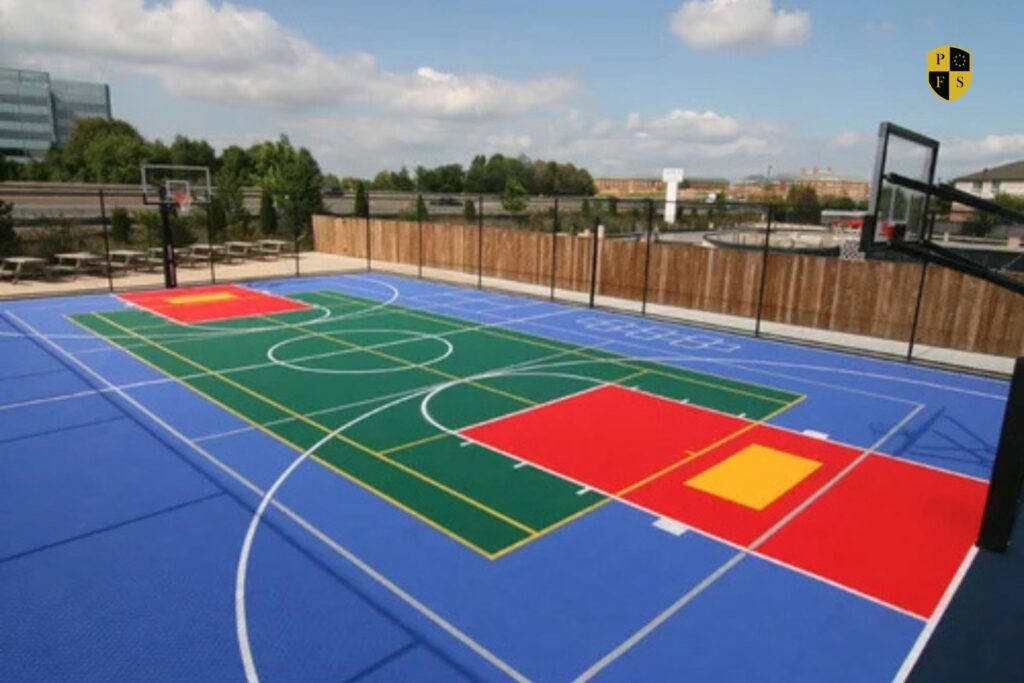
Multi-Sport and Modular Facilities
Facilities now support multiple sports in one space. Modular designs allow quick surface conversions.
This flexibility increases facility usage and profitability. Sports infrastructure innovation continues to adapt to evolving user needs.
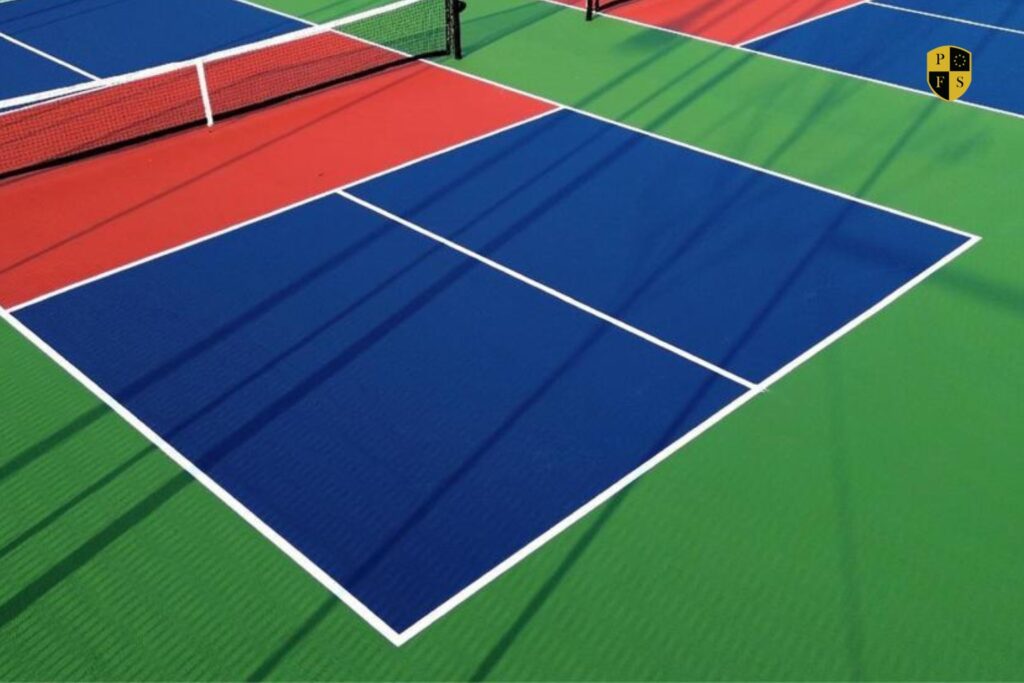
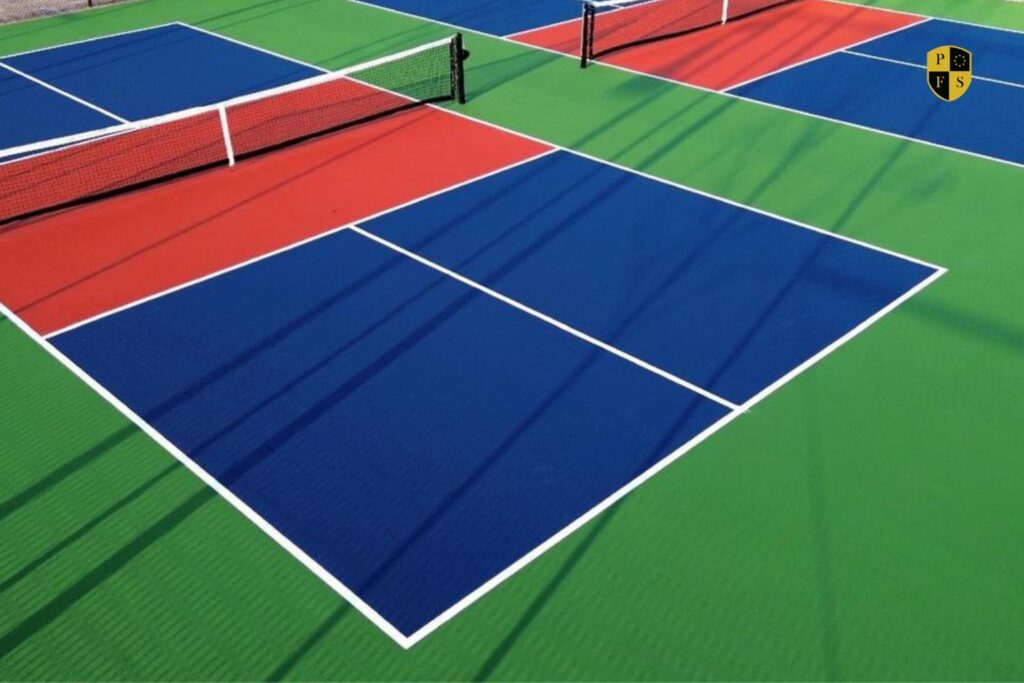
Increased Demand for Padel and Pickleball Courts
Padel and pickleball are rapidly growing sports worldwide.
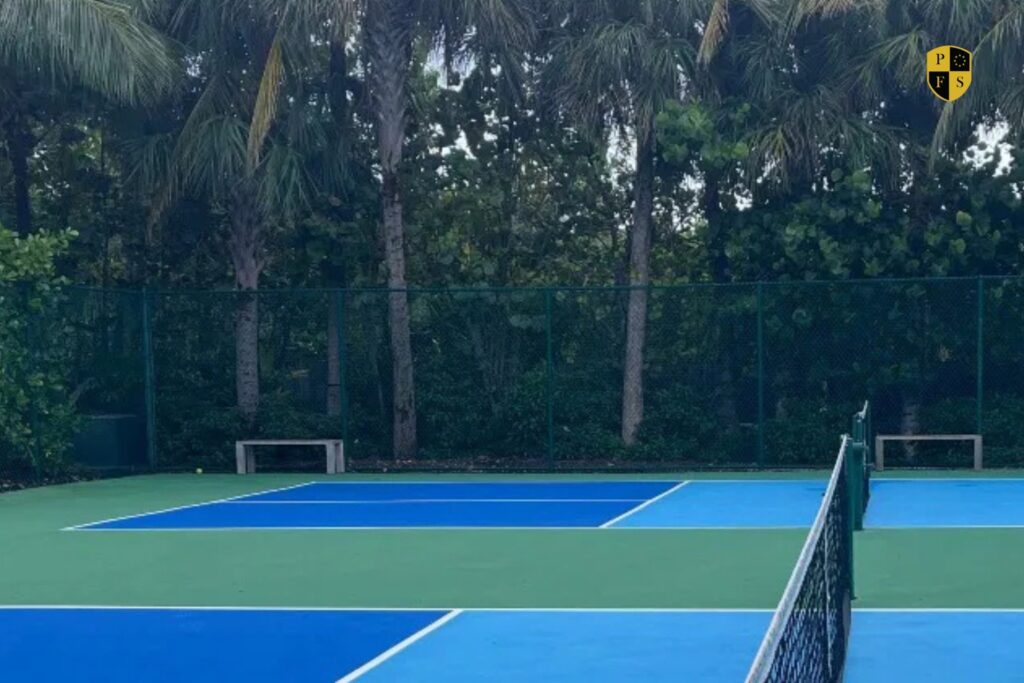
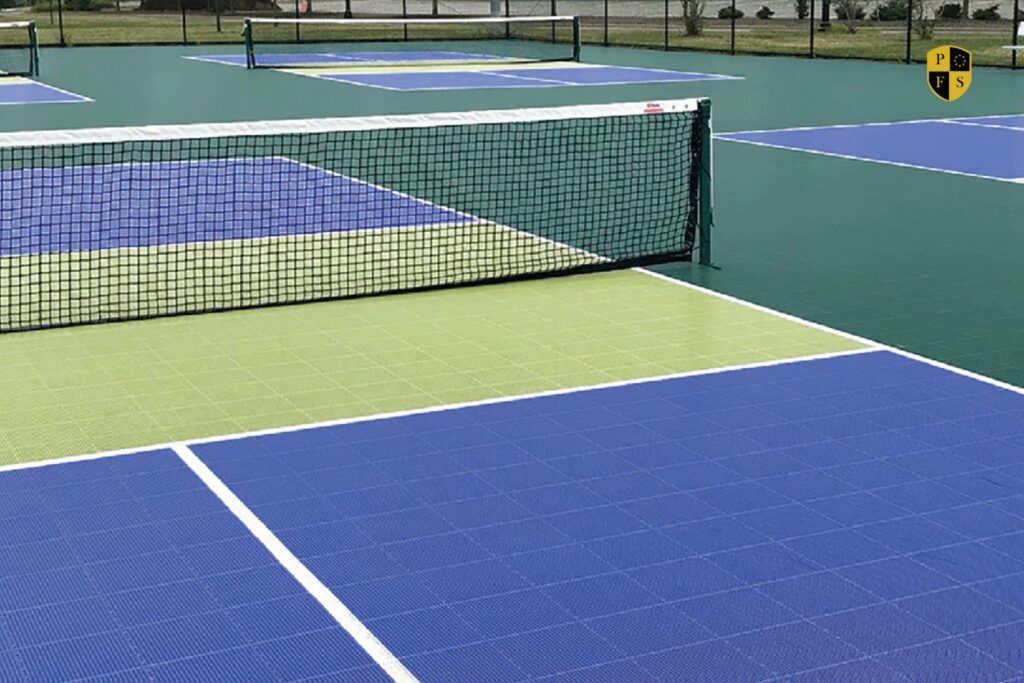
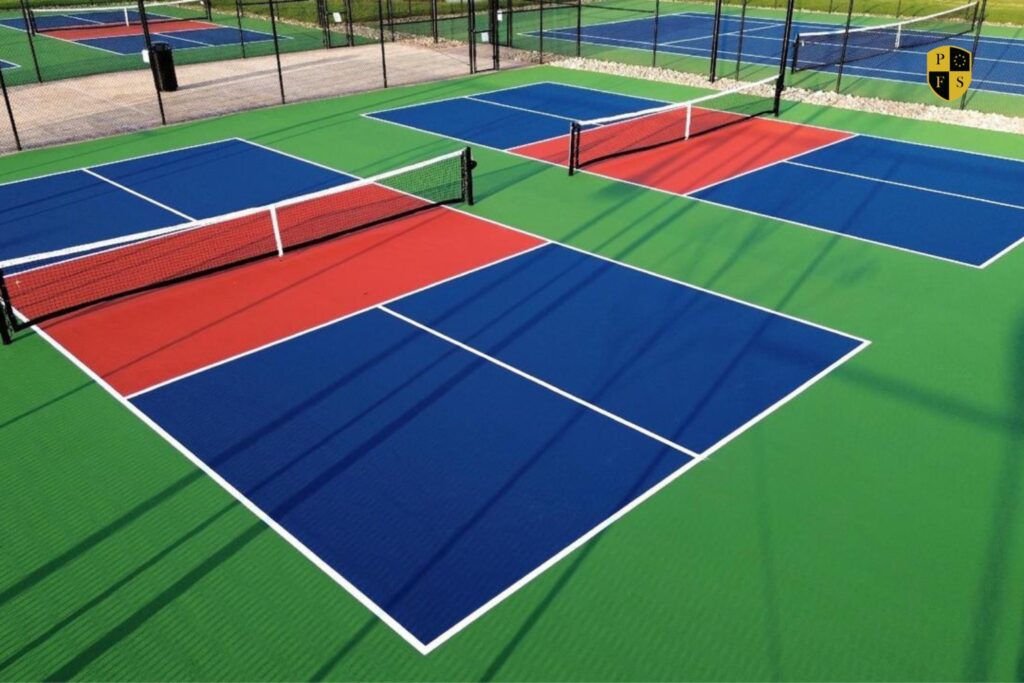
Consequently, demand for specialized courts is surging. PFS Sports delivers high-performance court systems tailored to these modern sports.
Conclusion
The rise of sports infrastructure in 2026 reflects global shifts toward health, sustainability, and smart urban living. Government investments, technological innovation, and growing sports participation continue driving market expansion. High-quality materials and eco-friendly systems are now essential for long-term success. PFS Sports leads this transformation with advanced, durable, and certified sports solutions trusted worldwide. If you plan to invest in future-ready sports facilities, now is the time to act.
👉 Explore world-class sports infrastructure solutions at https://www.pfs.sport/